
Enlarged Adenoids in Kids: Snoring, Mouth Breathing, and When to See ENT
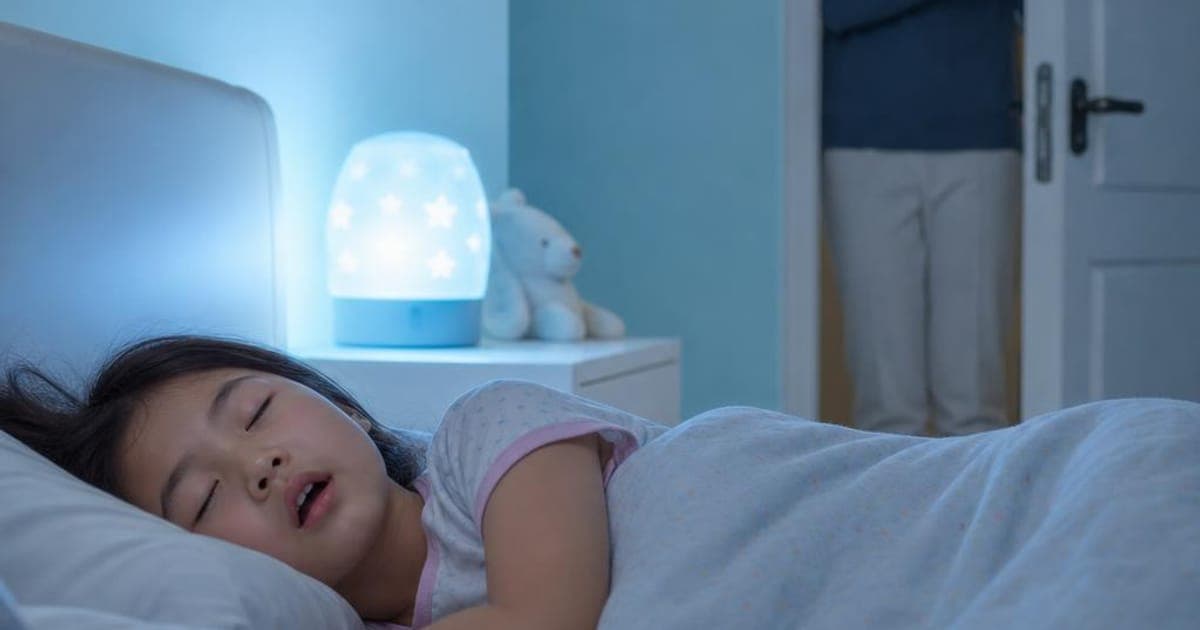
If your child always seems to breathe through their mouth, snores most nights, and sounds stuffy even when they are not sick, enlarged adenoids are a common reason. The good news: adenoids usually shrink on their own as children grow, and many kids never need surgery.
What are adenoids?
Adenoids are a small pad of immune tissue high in the back of the nose, above the roof of the mouth. Like the tonsils, they help trap germs in early childhood. They grow during the toddler and preschool years and usually shrink after about age 7, becoming very small by adolescence. When they are large relative to a young child's small airway, they can block airflow through the nose and drainage from the ears and sinuses.
Signs of enlarged adenoids
- Breathing through the mouth, especially at night, with dry lips in the morning
- Snoring most nights, sometimes with pauses, gasps, or very restless sleep
- A blocked or "nasal" sounding voice that does not clear between colds
- Runny or stuffy nose that lasts for weeks
- Repeated ear infections or fluid behind the eardrums, sometimes with muffled hearing
- Long-lasting sinus symptoms or bad breath
- Daytime tiredness, irritability, trouble focusing, or bedwetting after being dry
Daytime behavior and attention problems are worth mentioning, because poor sleep from blocked breathing can look like hyperactivity in young children.
Adenoids or allergies?
Allergies and enlarged adenoids cause similar stuffiness and often occur together. Clues that point to allergies include itchy, watery eyes, sneezing fits, symptoms that follow the seasons or a pet, and clear drainage. Treating allergies can shrink swollen tissue and improve breathing. Our guide to allergy testing explains when testing helps sort it out.
How adenoids are evaluated
- History and exam with your pediatrician. We ask about snoring, sleep, ear infections, and daytime symptoms, and examine the nose, throat, tonsils, and ears.
- A trial of treatment for congestion or allergies when symptoms are mild.
- Referral to ENT when symptoms are persistent or significant. The ENT can look at the adenoids directly with a thin flexible scope, usually in the office.
- Sleep study if there are signs of obstructive sleep apnea, such as loud nightly snoring with pauses or gasping. The AAP recommends that every child be screened for snoring and that children with signs of sleep apnea be evaluated further.
Treatment options
- Watchful waiting for mild symptoms, since adenoids shrink with age.
- Steroid nasal spray used daily for several weeks can reduce swelling and snoring in some children.
- Allergy treatment when allergies are contributing.
- Adenoidectomy, a short outpatient surgery done through the mouth, for sleep apnea (often combined with tonsil removal), persistent nasal blockage, or, in some children 4 and older, together with ear tubes for repeated ear fluid. Most children are back to normal activities within a few days.
When to see your pediatrician
- Snoring 3 or more nights a week
- Pauses in breathing, gasping, or choking sounds during sleep
- Mouth breathing that continues for weeks
- Repeated ear infections, or concerns about hearing or speech
- Daytime sleepiness, behavior changes, or new bedwetting
Call 911 or go to the nearest ER if your child:
- Is struggling to breathe, with the skin pulling in between the ribs
- Has blue or gray lips
- Cannot swallow, is drooling, or cannot open the mouth fully with a high fever
Concerned About Your Child's Snoring or Breathing?
We evaluate snoring, mouth breathing, and ongoing congestion at our Robbinsville office and coordinate with local pediatric ENT specialists when a referral is needed. Book a sick visit or bring it up at your child's next well-child visit.
Call us at (609) 808-3123 during office hours:
- Monday to Friday: 9:30 AM to 5:30 PM
- Saturday: 9:30 AM to 12:30 PM
Common Questions from Parents
What are the signs of enlarged adenoids in a child?
The most common signs are breathing through the mouth, loud snoring, a stuffy or nasal-sounding voice that does not clear between colds, bad breath, and restless sleep. Some children also have repeated ear infections or fluid behind the eardrums, or long-lasting sinus symptoms.
At what age do adenoids shrink?
Adenoids are usually largest in the preschool and early school years and gradually shrink after that. By the teen years they are often very small. That is why many children with mild symptoms can be watched rather than treated with surgery.
How do doctors check the adenoids?
Adenoids sit behind the nose, so they cannot be seen by looking in the mouth. Your pediatrician starts with the history and an exam of the nose, throat, and ears. An ear, nose, and throat specialist (ENT) can look directly with a thin, flexible scope, and occasionally an X-ray is used. A sleep study may be recommended if sleep apnea is suspected.
Can enlarged adenoids be treated without surgery?
Often, yes. A daily steroid nasal spray can reduce swelling and improve symptoms in some children, and treating allergies helps when they are part of the picture. Mild cases may simply be watched as the adenoids shrink with age.
When does a child need an adenoidectomy?
An ENT may recommend removing the adenoids for obstructive sleep apnea (often together with the tonsils), for ongoing nasal blockage that does not improve with medicine, or alongside ear tubes in some children with repeated ear fluid or infections. It is a short outpatient surgery and most children recover in a few days.
Sources
- AAP Clinical Practice Guideline: Diagnosis and Management of Childhood Obstructive Sleep Apnea Syndrome (Pediatrics, September 2012)
- AAO-HNS Clinical Practice Guideline: Tonsillectomy in Children (Update) (Otolaryngology-Head and Neck Surgery, February 2019)
- AAO-HNS Clinical Practice Guideline: Otitis Media with Effusion (Update) (Otolaryngology-Head and Neck Surgery, February 2016)
- ENT Health (American Academy of Otolaryngology): Tonsils and Adenoids