
Snoring in Children: When to Ask About Sleep Apnea
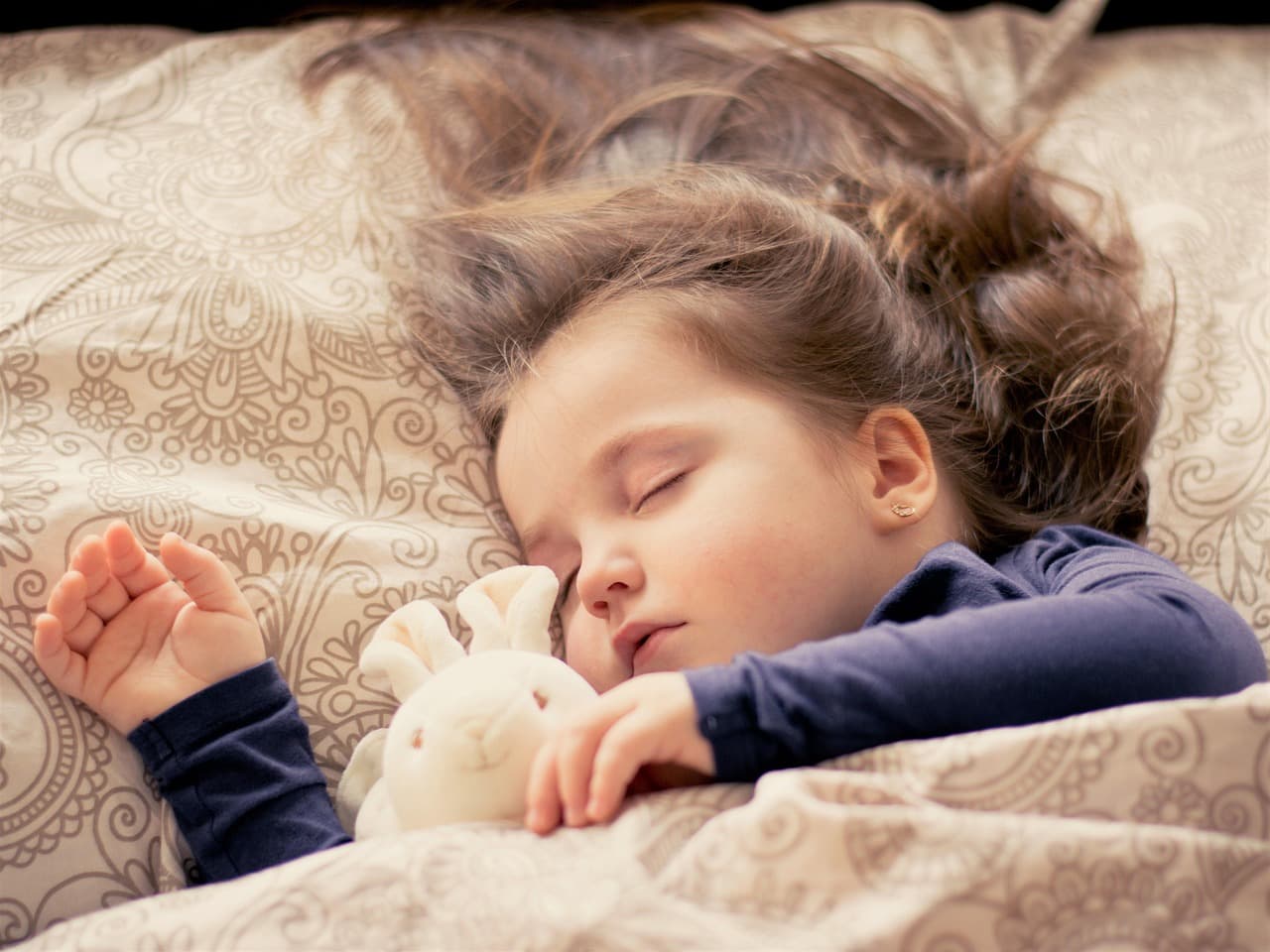
Occasional snoring during a cold is not automatically sleep apnea, but habitual snoring is worth discussing with the pediatrician. Pay particular attention to pauses, gasping, restless sleep, mouth breathing, repeated waking, morning headaches, daytime sleepiness, or changes in attention and behavior. Call 911 immediately if breathing stops, your child has severe trouble breathing, the skin or lips look blue or gray, or your child is unresponsive.
Why Frequent Snoring Matters
Snoring is the sound of air moving through a narrowed upper airway during sleep. Temporary congestion can make a child noisy for a few nights. When snoring is frequent, loud, or paired with disrupted breathing, it can signal obstructive sleep apnea or another condition affecting airflow and sleep quality. Parents should not try to diagnose the cause from sound alone.
In sleep apnea, breathing may repeatedly become shallow or stop and restart. The child may work harder to breathe, gasp, change position often, or wake briefly without remembering it. Fragmented sleep can affect daytime functioning even when a child appears to have spent enough hours in bed.
Nighttime Signs to Observe
- Frequent or loud snoring, not only during a brief cold
- Mouth breathing, gasping, choking sounds, or breathing that starts and stops
- Restless sleep, unusual sleeping positions, sweating, or repeated waking
- Bedwetting after nighttime dryness was established
- Morning headache or dry mouth
One sign does not prove apnea, and not every child has the same pattern. The useful question is how often it happens, whether breathing looks difficult, and whether nighttime symptoms occur alongside daytime changes.
Daytime Signs Can Look Different in Children
Adults with poor sleep may look sleepy. Children may also be sleepy, but some become more active, impulsive, irritable, or inattentive. Families may notice difficulty waking, falling asleep in the car, morning headaches, school concerns, or changes in mood and behavior. Mention these observations even if teachers have not heard the child snore.
These symptoms have many possible causes. A thoughtful pediatric assessment helps avoid assuming that every attention or behavior concern is caused by sleep, while still recognizing sleep as an important part of the picture.
When to Call and When to Call 911
Schedule a routine pediatric visit
Contact the pediatrician for habitual snoring, ongoing mouth breathing, pauses or gasps observed during sleep, restless sleep, bedwetting, morning headache, daytime sleepiness, or concerns about behavior, learning, and attention. Ask sooner when symptoms are becoming more frequent or breathing repeatedly looks labored.
Emergency breathing signs
Call 911 immediately if breathing stops, your child has severe trouble breathing, the skin or lips look blue or gray, or your child is unresponsive. Do not wait to time the pause, reposition the child, or make a video before calling.
What an Evaluation May Include
The pediatrician will ask about the snoring pattern, sleep schedule, congestion or allergy symptoms, medicines, growth, morning symptoms, and daytime functioning. An exam may include the nose, mouth, throat, heart, lungs, blood pressure, and growth measurements. Depending on the history and findings, the pediatrician may recommend additional evaluation by an appropriate specialist.
Why a sleep study may be recommended
A sleep study, also called polysomnography, measures breathing, oxygen levels, heart rate, sleep stages, and other signals overnight. The National Heart, Lung, and Blood Institute explains that this testing can establish the type and severity of sleep apnea. Whether a child needs a sleep study is an individualized clinical decision, not something snoring alone determines.
Prepare for the Appointment
- Keep a one- to two-week log of snoring nights, awakenings, bedtime, and wake time.
- Note pauses, gasps, mouth breathing, sleep position, bedwetting, and morning symptoms.
- Ask caregivers or teachers about sleepiness, attention, learning, and behavior.
- Bring a current medicine list and information about nasal congestion or allergies.
- If safe, bring a short audio or video clip. Never delay emergency care or place yourself or your child in an unsafe position to record.
Until the visit, support a consistent sleep schedule and a smoke-free environment. Avoid unprescribed sleep aids, decongestants, devices, or supplements. They may be inappropriate and do not replace an airway and sleep evaluation.
Frequently Asked Questions
Is occasional snoring in a child always sleep apnea?
No. A child may snore occasionally during a cold or because of temporary nasal congestion. Snoring alone does not diagnose sleep apnea. Habitual snoring, especially with pauses, gasping, restless sleep, or daytime concerns, should be discussed with the pediatrician.
What signs can occur with sleep apnea in children?
Possible signs include frequent loud snoring, mouth breathing, pauses followed by gasping, repeated waking, restless sleep, bedwetting, morning headache or dry mouth, daytime sleepiness, inattention, school difficulty, or behavior changes. These signs need evaluation rather than a home diagnosis.
What should I record before a snoring appointment?
Track how many nights snoring occurs, whether it happens all night or only in certain positions, pauses or gasps, mouth breathing, awakenings, bedwetting, and daytime mood or attention. A brief recording can help if it can be made safely without delaying emergency care.
When is a child's breathing problem an emergency?
Call 911 immediately if breathing stops, the child has severe trouble breathing, the skin or lips look blue or gray, or the child is unresponsive. Do not wait or make a recording before calling.
Sources and Medical Disclaimer
- American Academy of Pediatrics: Sleep Apnea Detection
- National Heart, Lung, and Blood Institute: Sleep Apnea in Children
- National Heart, Lung, and Blood Institute: Sleep Apnea Symptoms
Sources accessed September 8, 2026. This article is general education, not individual medical advice, diagnosis, or a substitute for an examination.
Bring Sleep Concerns to Your Child's Visit
Hummingbird Pediatrics can review snoring and daytime symptoms in the context of your child's overall health. Sleep can also be discussed during a well-child visit.
Request an Appointment