
Ear Infections in Children: Symptoms, Treatment, and When to Ask About Tubes
Why Ear Infections Are So Common in Children
Ear infections are the number one reason parents bring their children to the pediatrician — and for good reason. By age three, nearly 80% of children will have had at least one ear infection. At Hummingbird Pediatrics in Robbinsville, NJ, ear infections are among the most frequent diagnoses we make, particularly in the fall and winter months.
Children are more prone to ear infections than adults because of anatomy: their Eustachian tubes — the small channels connecting the middle ear to the back of the throat — are shorter, more horizontal, and floppier. This makes it harder for fluid to drain and easier for bacteria or viruses to travel from the throat to the middle ear.
Middle Ear vs. Outer Ear Infections
Not all ear infections are the same. There are two common types:
- Otitis media (middle ear infection): The most common type in children. Fluid and infection build up behind the eardrum in the middle ear. This is what most parents mean when they say "ear infection."
- Otitis externa (swimmer's ear): An infection of the outer ear canal, usually caused by water trapped in the ear. More common in older children and summer swimmers.
This article focuses primarily on otitis media, since it's by far the most common in young children.
Recognizing Ear Infection Symptoms by Age
Infants (Under 12 Months)
Babies can't tell you their ear hurts, so watch for these clues:
- Tugging, pulling, or batting at one or both ears
- Unusual fussiness or crying, especially when lying down
- Difficulty sleeping
- Fever (though not always present)
- Fluid draining from the ear
- Trouble hearing or not responding to sounds
Toddlers and Preschoolers
- Complaints of ear pain or saying the ear "hurts" or feels "funny"
- Increased fussiness, especially at bedtime (lying flat increases pressure)
- Fever
- Trouble hearing the TV or asking you to repeat yourself
- Balance problems or unusual clumsiness
School-Age Children
- Direct complaint of ear pain — usually one-sided
- Muffled hearing or a "full" feeling in the ear
- Ringing in the ear
- Fever
How Pediatricians Diagnose Ear Infections
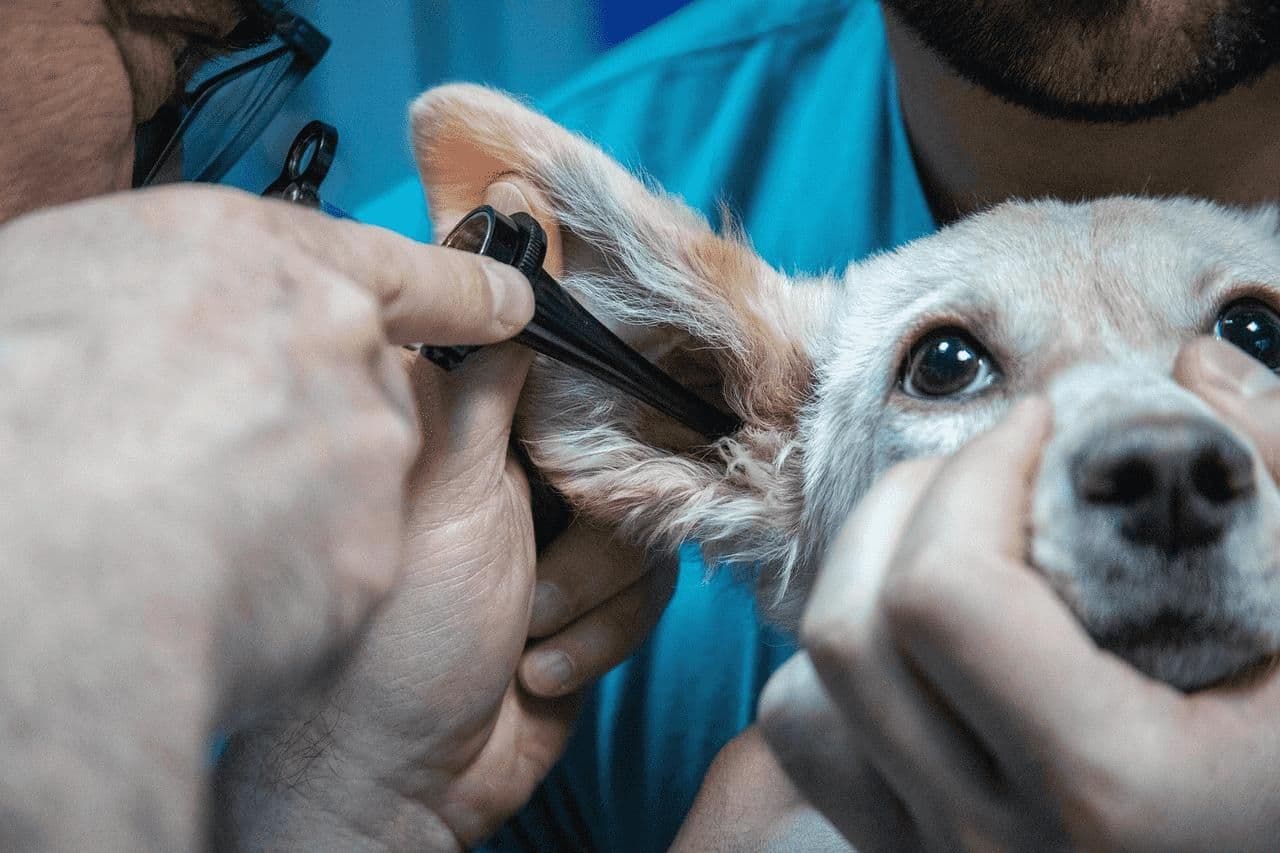
Your pediatrician will use a tool called an otoscope to look inside your child's ear canal and examine the eardrum. In an ear infection, the eardrum typically appears red, bulging, and may have fluid visible behind it. Some offices also use a pneumatic otoscope — which gently puffs air — to check whether the eardrum moves normally, which helps identify fluid even without active infection.
There is no at-home test for ear infections. If you suspect your child has one, an in-person exam is needed for an accurate diagnosis.
Treatment: When Are Antibiotics Needed?
Not every ear infection requires antibiotics. Current guidelines from the American Academy of Pediatrics recommend different approaches based on age and severity:
- Children under 6 months: Antibiotics are always recommended.
- Children 6–23 months with severe symptoms or both ears infected: Antibiotics are recommended.
- Children 6–23 months with mild symptoms in one ear: Your pediatrician may recommend a "watchful waiting" approach for 48–72 hours before starting antibiotics.
- Children 2 years and older with mild symptoms: Watchful waiting is often appropriate. Many ear infections in this age group resolve without antibiotics.
When antibiotics are prescribed, amoxicillin is usually the first choice. It's important to complete the full course even if your child feels better sooner.
Home Comfort Measures
While waiting for antibiotics to work — or during watchful waiting — these steps can ease your child's pain:
- Give an age-appropriate pain reliever to reduce pain and fever — ask your pediatrician which product and dose is right for your child's weight
- Apply a warm (not hot) compress or heating pad on low over the ear for 20 minutes
- Elevate the head slightly during sleep to reduce pressure
- Encourage extra fluids
- Keep follow-up appointments — your pediatrician will want to recheck the ear
Call Your Pediatrician If Your Child:
- Has severe ear pain that doesn't improve with pain relief
- Develops fluid draining from the ear (may signal a ruptured eardrum)
- Has a fever over 102.2°F (39°C)
- Shows no improvement within 48–72 hours on antibiotics
- Has redness, swelling, or tenderness behind the ear
- Seems very sick, very lethargic, or has a stiff neck
- Is under 6 months with any ear symptoms
Recurrent Ear Infections and Ear Tubes
Some children are prone to repeated ear infections. Recurrent otitis media is generally defined as three or more infections in six months, or four or more in a year. If your child falls into this category, your pediatrician may refer you to a pediatric ear, nose, and throat (ENT) specialist to discuss ear tubes.
Ear tubes (tympanostomy tubes) are tiny cylinders surgically placed through the eardrum in a brief outpatient procedure. They ventilate the middle ear, allow fluid to drain, and dramatically reduce the frequency of infections. For children with chronic fluid in the ear affecting hearing, tubes can also lead to meaningful improvements in speech and language development.
Ear tubes are not right for every child — your pediatrician and ENT will help you weigh the benefits and risks based on your child's specific history.
Preventing Ear Infections
- Breastfeed if possible: Breast milk provides immune protection that reduces ear infection risk
- Bottle positioning: Never prop a bottle — feed infants in an upright position to prevent formula from pooling near the Eustachian tube opening
- Avoid secondhand smoke: Smoke exposure significantly increases ear infection risk
- Stay up to date on vaccines: The pneumococcal (PCV15) and influenza vaccines both reduce ear infection risk
- Limit pacifier use: After 6 months, try to limit pacifier use to sleep times — constant sucking changes pressure in the Eustachian tube
- Wash hands frequently: Most ear infections follow a cold, so good hand hygiene helps
A Note on Hearing After Ear Infections
Temporary, mild hearing loss is common during and shortly after an ear infection due to fluid in the middle ear. This usually resolves once the infection clears. However, if you notice your child still seems to have trouble hearing several weeks after an ear infection, let your pediatrician know — persistent fluid (called otitis media with effusion or "glue ear") can affect hearing and speech development.
At Hummingbird Pediatrics in Robbinsville, NJ, our board-certified pediatricians are experienced in diagnosing and managing ear infections in children of all ages. If you suspect your child has an ear infection or your child seems to get them frequently, call us at (609) 808-3123 or book an appointment online — we're here to help.
Common Questions from Parents
Do all ear infections need antibiotics?
No. Many mild ear infections clear on their own within 2 to 3 days. For some children 6 months and older with mild symptoms, your pediatrician may suggest watching for 48 to 72 hours first. Babies under 6 months, children with severe pain or a fever of 102.2°F or higher, and young children with infections in both ears are more likely to need antibiotics.
How can I ease my child's ear pain at home?
Weight-based doses of acetaminophen or ibuprofen are the most effective pain relief. Ibuprofen is only for babies 6 months and older. A warm compress over the ear can also help. Do not use numbing ear drops with benzocaine in children under 2, and check with us before using any ear drops.
Can my child go to daycare or school with an ear infection?
Yes. Ear infections are not contagious. Your child can go back once they are fever-free and feel well enough to take part, though the cold that came before it may still spread.
Why does my child keep getting ear infections?
Young children have shorter, flatter eustachian tubes that drain less easily, and they catch frequent colds, especially in daycare. Smoke exposure and bottle-feeding while lying flat raise the risk. Most children outgrow frequent infections by school age. If your child has 3 infections in 6 months or 4 in a year, ask us about an ENT referral and ear tubes.
Can my child swim with an ear infection?
Usually yes for a middle ear infection, because the infection is behind the eardrum. Skip swimming if there is drainage from the ear or a hole in the eardrum, and ask us if you are unsure. Swimmer's ear, an infection of the ear canal, is different and needs time out of the water.