
Flu and RSV Season 2026-27: What NJ Parents Should Know
Respiratory season update
Updated October 26, 2026. CDC reports that flu activity is increasing in many parts of the country but still low overall, and higher than typical for this point in the season (week ending October 17, published October 23). In New Jersey, flu activity remains low but is higher than this time last year (NJ Department of Health, October 14). RSV activity was very low nationally in mid-September and usually climbs later in the fall.
Every fall, three viruses drive most pediatric sick visits and hospital stays through the winter: influenza, RSV, and COVID-19. This guide pulls together the latest official numbers and what they mean for families with babies and young children in Mercer County.
Flu: an early start this year
- In the week ending October 17, 2026, 5.7% of respiratory specimens tested in clinical labs were positive for flu, and the share has been rising since late summer (CDC FluView).
- Nearly all flu A viruses subtyped that week were influenza A(H1N1). CDC says it is too early to know whether recent changes in these viruses will affect how well this season's vaccine works.
- Last season was hard on children. CDC counted 198 flu-associated deaths in children during the 2025-26 season (data through October 3, 2026). Most children who die of flu each year were not fully vaccinated.
RSV: what to expect
RSV is the most common cause of hospitalization in babies in the U.S. In its 2026-27 season outlook (September 23, 2026), CDC said it expects the RSV hospitalization peak to be similar to last season and noted that last season's peak came later than usual. In New Jersey, RSV typically rises in late fall and peaks in winter, so now is the time to protect young babies.
Our RSV guide for newborns and infants covers the warning signs in detail.
Who should get protected this season
The New Jersey Department of Health recommends (October 14, 2026):
- Flu vaccine every year for everyone 6 months and older. Children 6 months through 8 years getting flu vaccine for the first time need 2 doses at least 4 weeks apart.
- RSV antibody (such as nirsevimab, brand name Beyfortus) for infants under 8 months entering their first RSV season who were not protected by maternal vaccination, and for some higher-risk children 8 to 19 months old.
- RSV vaccine during pregnancy at 32 to 36 weeks, given between September 1 and March 1, as an alternative way to protect a newborn.
- COVID-19 vaccine for all children 6 through 23 months, and for children 2 through 18 years who are in certain risk groups or whose families want it.
New Jersey has adopted the American Academy of Pediatrics' 2026 immunization schedule, and recommended vaccines are covered by most insurance plans. Children who are uninsured or on Medicaid may qualify for free vaccines through the Vaccines for Children program.
Flu, RSV, or a cold?
| Flu | RSV | Common cold | |
|---|---|---|---|
| Start | Sudden | Gradual, worsens over 3 to 5 days | Gradual |
| Fever | Often high | Often mild or none in young babies | Mild or none |
| Main symptoms | Body aches, tiredness, cough, headache | Runny nose, cough, wheezing, fast breathing | Runny nose, sneezing, mild cough |
| Highest risk | Under 5, chronic conditions | Babies under 6 months, premature infants | Rarely serious |
| Treatment | Antiviral medicine may help if started early | Supportive care; no routine antiviral | Supportive care |
If your child has flu symptoms and is under 5 or has asthma or another chronic condition, call us early. Antiviral treatment works best when started within 48 hours of symptoms. See our guide to colds in children for home care tips.
Home care for respiratory viruses
- Offer fluids often. For babies, smaller, more frequent feeds are easier with a stuffy nose.
- Use saline drops and gentle suction before feeds and sleep.
- Treat fever for comfort using the right dose for your child's weight. Our Tylenol and Motrin dosage chart has the numbers. No ibuprofen under 6 months, and no cough and cold medicines for young children.
- Keep sick children home from daycare and school until fever-free for 24 hours without medicine.
Call 911 or go to the nearest ER if your child:
- Is struggling to breathe, with skin pulling in at the ribs or neck, or grunting
- Has blue or gray lips or face, or pauses in breathing (especially young babies)
- Is very hard to wake, limp, or not responding normally
- Shows signs of dehydration: no wet diaper in 8 hours, no tears, or a dry mouth
- Is under 3 months old with a fever of 100.4°F (38°C) or higher (call us right away or go to the ER)
Flu Shots and RSV Protection at Our Office
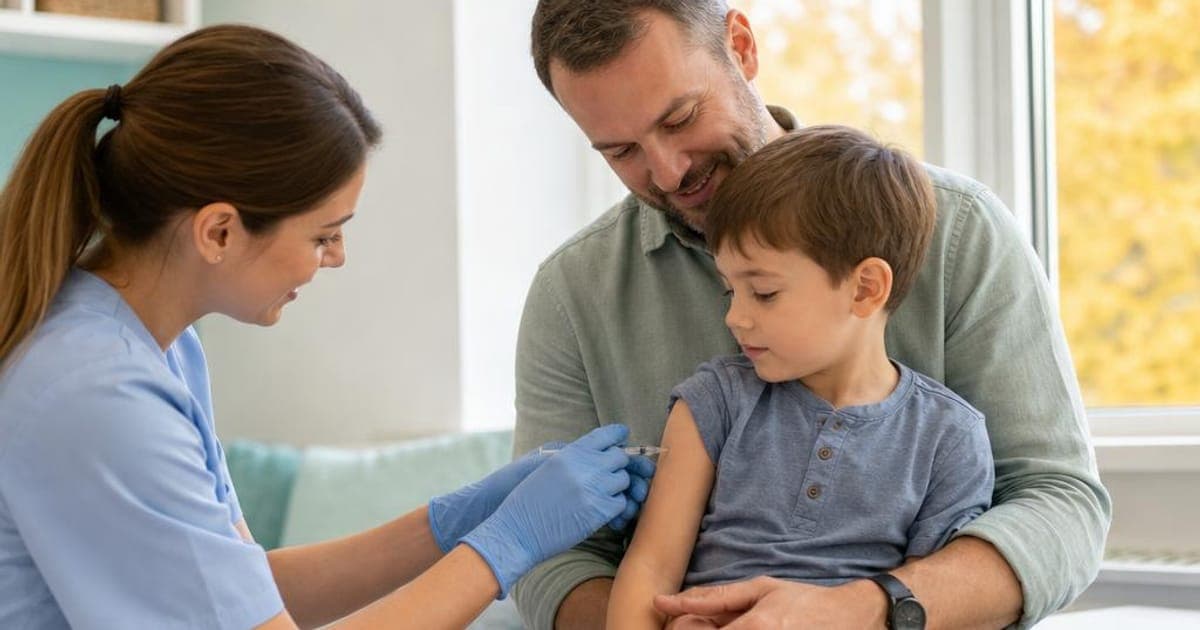
We are giving flu vaccines for children 6 months and older and RSV antibody injections for eligible infants now. Schedule a visit or add it to your child's next appointment. See our immunizations and flu shots page for details, or book a same-day sick visit if your child is already ill.
Call us at (609) 808-3123 during office hours:
- Monday to Friday: 9:30 AM to 5:30 PM
- Saturday: 9:30 AM to 12:30 PM
Common Questions from Parents
How bad is flu season in New Jersey right now?
As of the New Jersey Department of Health's October 14, 2026 update, seasonal flu activity in New Jersey is still low but higher than at this time last year. Nationally, CDC reported on October 23 that flu activity is increasing in many parts of the country and is higher than is typical this early in the season.
When should my child get a flu shot?
Now is a good time. Flu vaccine is recommended every year for everyone 6 months and older, and it takes about 2 weeks to build protection. Children 6 months through 8 years who are getting a flu vaccine for the first time, or who have had only one dose before, need 2 doses at least 4 weeks apart, so starting early matters.
Does my baby need the RSV shot?
New Jersey recommends RSV protection for all infants under 8 months entering their first RSV season who were not protected by a maternal RSV vaccine during pregnancy, and for some higher-risk children 8 to 19 months old. Protection is an antibody injection given once for the season. We offer it in our office; ask us whether your baby qualifies.
How can I tell flu from RSV or a cold?
Flu usually starts suddenly with high fever, body aches, and tiredness. RSV in babies often starts like a cold and can progress over a few days to fast breathing, wheezing, and trouble feeding. Colds come on gradually with a runny nose and mild symptoms. Only a test can tell for sure, and treatment decisions depend on your child's age and symptoms.
Can my child get the flu shot and other vaccines on the same day?
Yes. Flu, COVID-19, and RSV protection can all be given at the same visit, along with routine childhood vaccines. Families who prefer to space them out can do that too.
Sources
Respiratory virus numbers change weekly. Each figure above is labeled with its date. For the most current information, check these official sources:
- CDC FluView: Weekly U.S. Influenza Surveillance Report, Week 41 (week ending October 17, 2026, published October 23, 2026)
- CDC: Influenza-Associated Pediatric Mortality (2025-26 season data through October 3, 2026)
- CDC: 2026-2027 Respiratory Disease Season Outlook (September 23, 2026)
- New Jersey Department of Health: Annual flu shot and 2026-27 respiratory vaccine recommendations (October 14, 2026)
- New Jersey Department of Health: Respiratory Illness Data and Reports