
Concussions in Children: What Parents Need to Know About Symptoms and Return to Play
Last Reviewed:
This health information is reviewed by board-certified pediatricians and follows current American Academy of Pediatrics (AAP) guidelines.
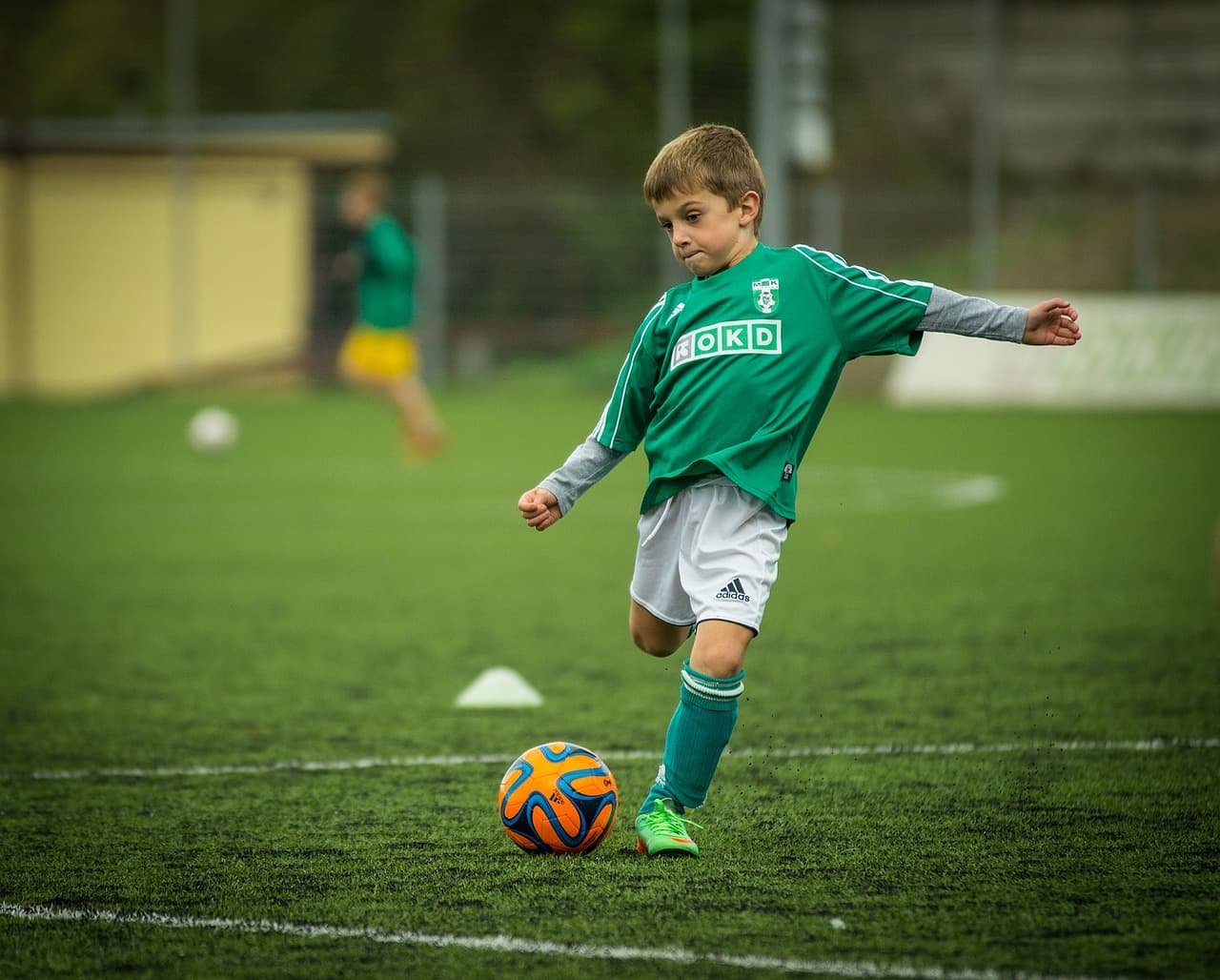
With school sports seasons in full swing across Robbinsville, Hamilton, West Windsor-Plainsboro, East Windsor, and communities throughout Mercer County, concussions are something every sports parent needs to understand: not just coaches and athletic trainers. Concussions are among the most commonly mismanaged injuries in youth sports, partly because they are frequently invisible to the naked eye and often look nothing like what most parents expect.
At Hummingbird Pediatrics, we want every family to feel confident recognizing a concussion, responding correctly in the moment, and following the right recovery path.
What Is a Concussion?
A concussion is a traumatic brain injury caused by a bump, blow, or jolt to the head, or a hit to the body that causes the head and brain to move rapidly back and forth. The sudden movement stretches and damages brain cells, causing a temporary disruption in normal brain function.
Critically: a concussion does not require a loss of consciousness. In fact, most concussions never involve blacking out. Your child can sustain a true concussion and still walk off the field talking.
The Subtle Signs Parents Often Miss
The dramatic version: child collapses, doesn't respond, gets carried off on a stretcher, is the exception, not the rule. More often, parents are watching from the sideline and everything looks fine. What to watch for in the minutes and hours after a head hit:
- Slow to answer questions or seems dazed
- Appears "not quite right" or unlike themselves
- Headache or pressure in the head
- Nausea or vomiting (even once is significant)
- Balance problems or clumsiness
- Blurred or double vision
- Sensitivity to light or noise
- Feeling foggy or mentally slowed down
- Memory gaps: asking the same question repeatedly, not remembering the play that caused the hit
- Irritability, sadness, or unusual emotional reactions
- Sleep changes: sleeping more or less than usual
Symptoms may not appear immediately. It is common for a child to feel fine right after the hit and develop a headache or fogginess over the next few hours.
What to Do Immediately
If you suspect a concussion, the rule is simple: when in doubt, sit them out. Remove your child from play immediately and do not let them return that day, regardless of how they feel.
This is not overreaction. Research is clear that a second concussion before the brain has recovered from the first, even a minor one, can cause dramatically worse and longer-lasting symptoms. Some children develop prolonged post-concussion syndrome lasting weeks or months.
- Allow your child to return to play that day
- Let them "walk it off" or "shake it off"
- Assume it wasn't a concussion because they didn't lose consciousness
Call our office or seek evaluation.
When to Go to the Emergency Room
- Loss of consciousness (even briefly)
- Seizure after the head injury
- One pupil larger than the other
- Extreme drowsiness or cannot be woken
- Repeated vomiting
- Slurred speech or inability to recognize people or places
- Worsening headache
- Weakness or numbness in arms or legs
These can signal a more serious brain injury that requires emergency imaging.
Return to Learn and Return to Play
In New Jersey, public school athletes are protected under the Student-Athlete Safety Act, which requires removal from play following a suspected concussion and medical clearance before returning. At Hummingbird Pediatrics, we manage this process with you.
Recovery follows a structured, stepwise protocol:
Return to Learn comes first. Cognitive rest matters as much as physical rest. Limit screen time, bright lights, and mental exertion. Work with your child's school to allow accommodations: extra time, reduced workload, rest breaks, until cognitive symptoms resolve.
Return to Play (typical steps): 1. Rest until symptom-free 2. Light aerobic activity (walking, swimming, no resistance training) 3. Sport-specific exercise without contact 4. Non-contact drills and full practice 5. Return to full-contact practice with medical clearance 6. Return to competition
Each step takes a minimum of 24 hours. If symptoms return at any step, go back to the previous level.
When to Call Hummingbird Pediatrics
- Your child sustained a head injury during sports or play
- You are unsure whether a concussion occurred
- Symptoms are not improving after 7–10 days
- You need clearance documentation for school or athletic return to play
- Your child is having academic difficulty after a head injury
We provide thorough concussion evaluations and guide your family through every step of the return-to-learn and return-to-play process. Sports are important, and so is getting this right.
Frequently Asked Questions
How do I know if my child has a concussion if they didn't black out?
Most concussions never involve loss of consciousness. That's actually the exception, not the rule. Signs of concussion without blacking out include: being slow to respond to questions, seeming dazed or confused, headache after the hit, nausea, balance problems, sensitivity to light or noise, blurry vision, not remembering the play that caused the injury, or seeming unlike themselves emotionally (unusually irritable, sad, or flat). If your child takes a significant head hit and shows any of these signs, remove them from play and call us.
When is it safe for my child to return to their sport after a concussion?
Return to play is a gradual, step-by-step process that begins only after your child is completely symptom-free at rest. In New Jersey, athletes require medical clearance before returning to contact play. The standard protocol moves from rest → light aerobic activity → sport-specific exercise → non-contact drills → full-contact practice → competition, with at least 24 hours at each step. Rushing this process significantly increases the risk of prolonged recovery or a second, potentially more serious concussion. We provide formal return-to-play clearance at Hummingbird Pediatrics.
Should I let my child sleep after a head injury?
Yes (the old advice to 'keep them awake' after a concussion is outdated and incorrect. Sleep is actually important for brain recovery. It is fine and normal to let your child sleep after a concussion. However, if your child is extremely difficult to wake, does not recognize you when awake, has a worsening headache, vomits repeatedly, or seems confused, seek emergency care immediately); these can signal a more serious injury.
How long does concussion recovery typically take in children?
Most children with a simple concussion recover fully within 1–4 weeks. Younger adolescents and children sometimes take longer than adults to recover. Factors that can prolong recovery include a history of previous concussions, anxiety or depression, sleep problems, and returning to mentally or physically demanding activities too soon. If your child's symptoms persist beyond 2–3 weeks, let us know. We may recommend further evaluation or referral for post-concussion management.
Does my child need a CT scan after a concussion?
In most cases, no. A CT scan shows the bony structure and large bleeds but does not show a concussion; concussions are a functional injury, not a structural one that appears on imaging. CT scans are reserved for situations with red flag symptoms: loss of consciousness, repeated vomiting, worsening headache, seizure, pupils of unequal size, or signs of a more serious brain bleed. Your pediatrician will determine if imaging is needed based on the full clinical picture.
Need Personal Guidance?
This article provides general information. For questions specific to your child's health, please call our office or book an appointment online.