
Swimmer's Ear in Children: Symptoms, Treatment, and How to Prevent It
Last Reviewed:
This health information is reviewed by board-certified pediatricians and follows current American Academy of Pediatrics (AAP) guidelines.
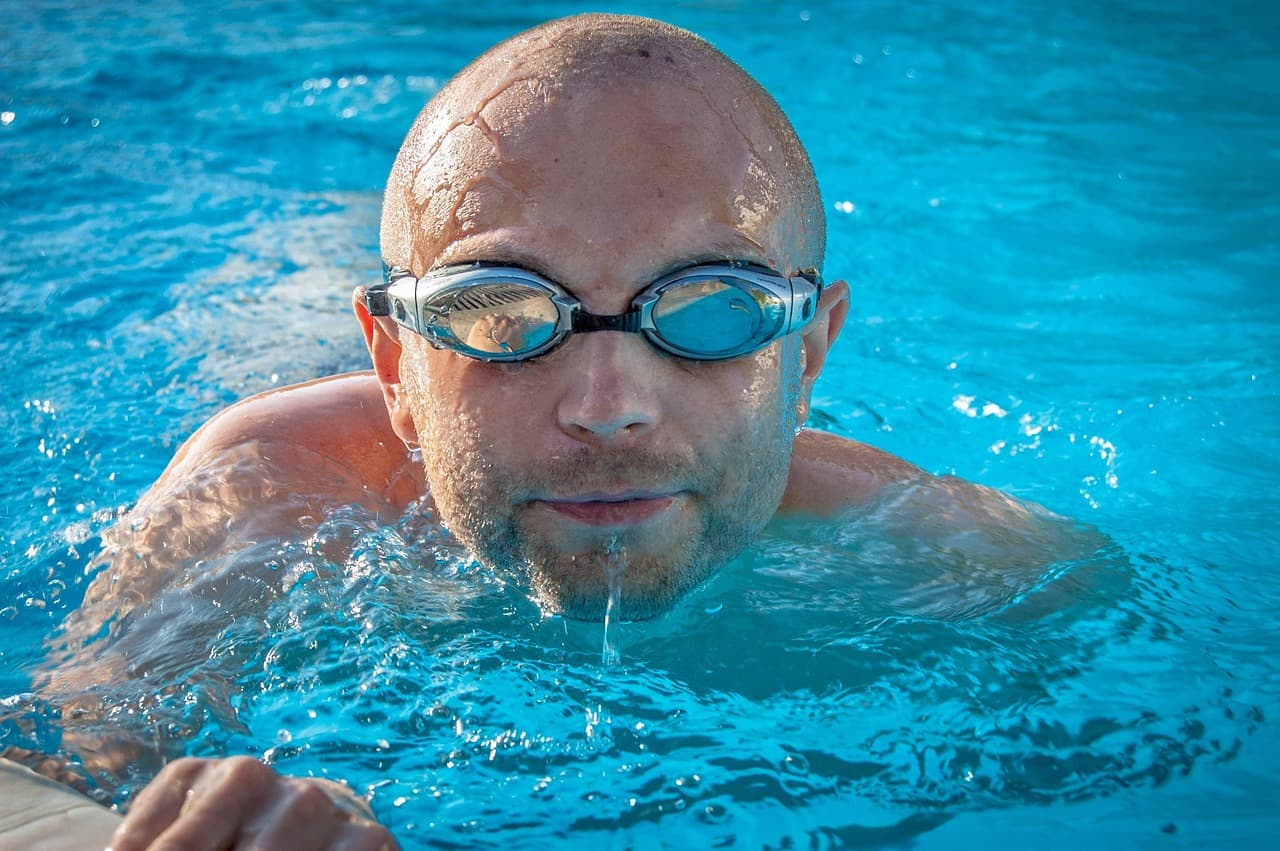
Summer in New Jersey means pool days, lake trips, and a lot of water in young ears. Swimmer's ear, the medical name is otitis externa, is one of the most common conditions we see at Hummingbird Pediatrics during summer months, and it affects children across Robbinsville, Hamilton, East Windsor, West Windsor, and Mercer County every year.
The good news: swimmer's ear is very treatable. The key is knowing what it is, how to recognize it, and when it needs more than home care.
What Is Swimmer's Ear?
Swimmer's ear is an infection of the outer ear canal, the tube that runs from the opening of the ear to the eardrum. It is different from a middle ear infection (otitis media), which is the kind most parents know from when children are young and get ear infections with colds.
The outer ear canal is lined with a protective layer of skin and natural earwax. When water gets trapped in the canal, especially after swimming, this environment becomes warm and moist, making it the ideal place for bacteria or fungi to grow. Swimmer's ear is most commonly caused by bacteria (Pseudomonas and Staphylococcus are frequent culprits).
How to Tell Swimmer's Ear Apart From a Middle Ear Infection
Many parents aren't sure which type of ear infection their child has. Here's the key difference:
- Pain when you pull or wiggle the outer ear or push on the small bump in front of the ear canal (the tragus)
- Pain when chewing or opening the jaw wide
- No fever in most cases
- Discharge or fluid from the ear canal
- Itching inside the ear
- No hearing loss or only mild muffling
- Pain deep inside the ear
- No pain when touching the outer ear
- Fever is common
- Often follows a cold or upper respiratory infection
- Fluid behind the eardrum (not draining from the canal)
If pulling on your child's outer ear causes pain, that's a strong signal it's swimmer's ear, and that's when to call us.
Symptoms to Watch For
- Itching inside the ear canal
- Redness of the outer ear
- Mild discomfort that gets worse
- Increasing pain, especially when chewing or lying with that ear down
- Discharge from the ear (clear, then cloudy or yellowish)
- A feeling of fullness or muffled hearing
- Swelling of the outer ear or nearby lymph nodes in more severe cases
Home Care
- Keep the ear dry, avoid swimming until the infection has fully resolved
- A few drops of white vinegar diluted with equal parts water can help restore the natural acid balance in the canal, making it less hospitable for bacteria, ask us before doing this
- Gently dry the outer ear with a soft towel; never insert cotton swabs into the canal
However, swimmer's ear almost always needs prescription antibiotic ear drops to clear fully. Over-the-counter earache drops are not adequate treatment. If your child is in pain, call us rather than waiting.
When to Call Hummingbird Pediatrics
- Your child complains of ear pain after swimming or water activities
- Pulling the outer ear or pressing in front of the canal hurts
- You notice discharge from the ear
- Symptoms are not improving after 1–2 days or are getting worse
- Your child has a fever alongside ear pain (this may indicate a middle ear infection or a more severe outer ear infection)
Prevention
- Tilt and dry: After swimming, tilt each ear toward the shoulder and gently tug the ear to allow water to drain. Then dry the outer ear with a soft towel.
- Avoid cotton swabs inside the canal: Swabs push earwax deeper, disrupt the protective lining, and create tiny abrasions that invite infection.
- Custom-fit or over-the-counter earplugs: For children who swim frequently or have recurring swimmer's ear, swim earplugs can significantly reduce water entry.
- Avoid swimming in lakes or ponds with high bacteria counts: Watch for posted advisories, New Jersey's environmental authorities regularly monitor popular swim areas during summer.
- Don't scratch: Itching inside the ear is tempting to scratch with a finger or object, but this damages the canal lining and increases infection risk.
Swimmer's ear is very common but also very preventable and very treatable. Our team at Hummingbird Pediatrics is always here to help you get your child back in the water comfortably and safely.
Frequently Asked Questions
How is swimmer's ear different from a regular ear infection?
Swimmer's ear (otitis externa) is an infection of the outer ear canal, the passage between the outer ear and the eardrum. A regular ear infection (otitis media) is behind the eardrum in the middle ear. The easiest way to tell them apart: with swimmer's ear, pulling or wiggling the outer ear or pressing the small bump in front of the ear canal causes pain. With a middle ear infection, touching the outer ear does not hurt. Swimmer's ear rarely causes fever; middle ear infections often do.
Does my child need to stop swimming until swimmer's ear clears up?
Yes (your child should stay out of the water until the infection has fully resolved, which typically takes 7–10 days with proper treatment. Water in the canal during treatment interferes with the antibiotic ear drops and keeps the environment moist, which prevents healing. Once the infection has cleared and your pediatrician gives the all-clear, your child can return to swimming), ideally with preventive habits in place like tilting and drying the ears and avoiding cotton swabs.
Can I treat swimmer's ear at home without seeing a doctor?
Mild, very early cases with just itching and no significant pain can sometimes be managed with thorough drying and keeping the ear out of water. However, once there is pain, discharge, or swelling, prescription antibiotic ear drops are needed. Over-the-counter products are not adequate for a true swimmer's ear infection. Most cases need a brief course of prescription drops to clear fully and prevent the infection from worsening. Call us, and we can often assess the situation quickly.
Are cotton swabs safe to use to dry the ears after swimming?
No. Cotton swabs should never be inserted into the ear canal. They push earwax deeper into the canal, can cause small abrasions in the canal lining that make infection easier, and can even rupture the eardrum if inserted too far. To dry the ears after swimming, tilt each ear toward the shoulder and gently tug the outer ear to allow water to drain out naturally, then dry the outer ear with a soft towel.
Why does my child keep getting swimmer's ear every summer?
Recurrent swimmer's ear is common in children who swim frequently, especially in pools or natural bodies of water. The outer ear canal loses its natural protective acid mantle when repeatedly exposed to water, making it more vulnerable to bacterial growth. Preventive strategies that help include wearing swim earplugs, tilting and drying ears after every swim, and never inserting objects into the canal. If your child has recurrent infections, talk to us; we can discuss whether a preventive ear drop regimen before swimming is appropriate.
Need Personal Guidance?
This article provides general information. For questions specific to your child's health, please call our office or book an appointment online.