Seasonal Allergies in Children: Symptoms, Treatment, and the NJ Pollen Calendar
Last Reviewed:
This health information is reviewed by board-certified pediatricians and follows current American Academy of Pediatrics (AAP) guidelines.
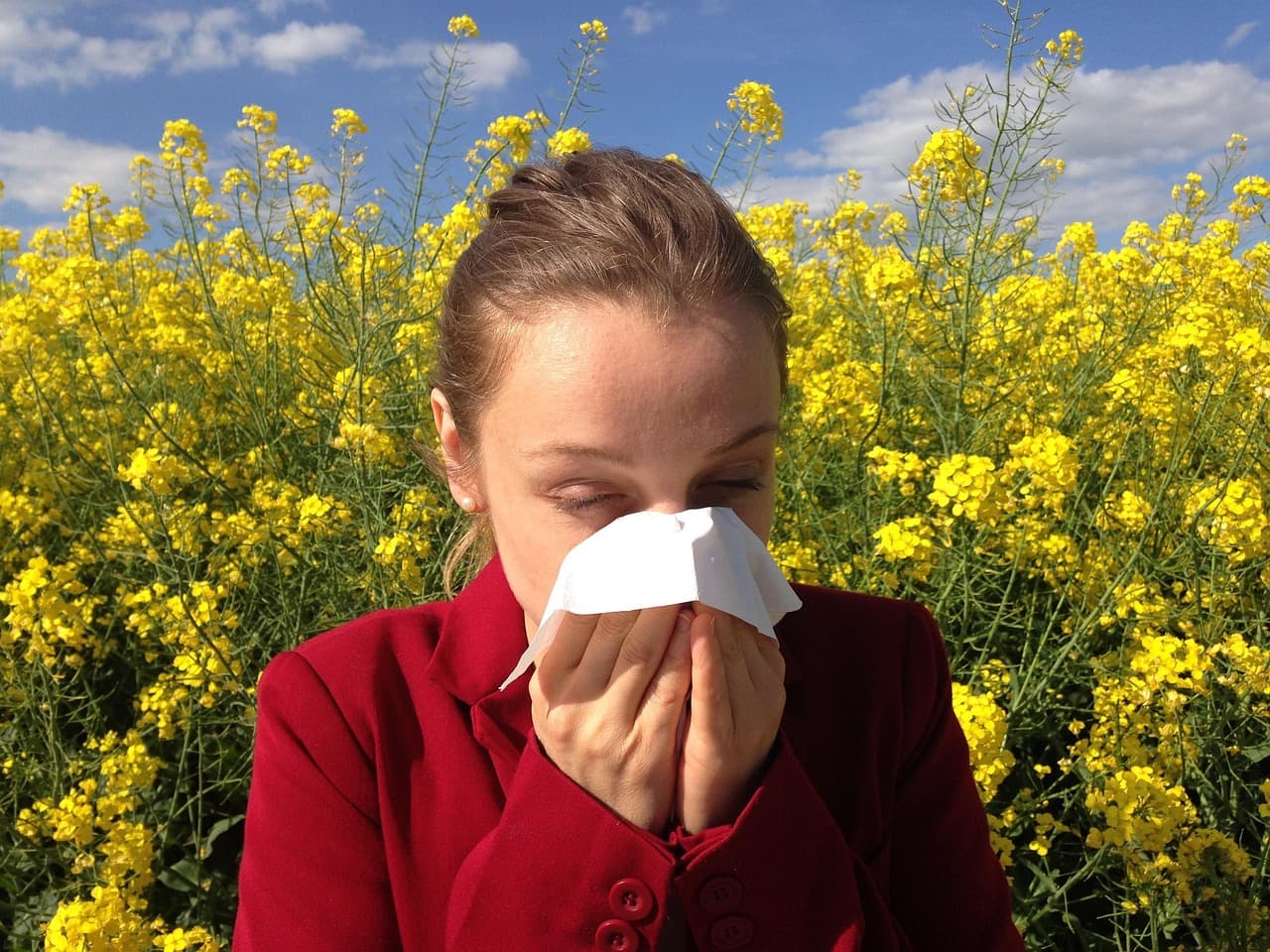
If your child starts sneezing every April like clockwork, or complains of itchy eyes and a runny nose for weeks on end without ever running a fever, seasonal allergic rhinitis — hay fever — is likely the culprit. Seasonal allergies are one of the most common chronic conditions in children, and here in New Jersey, the pollen season runs from early spring through late fall with very few breaks.
At Hummingbird Pediatrics in Robbinsville, we help families across Mercer County manage seasonal allergies so children can sleep, focus at school, and enjoy being outside — even during peak pollen season.
Is It Allergies or a Cold?
This is the most common question we hear, and it matters because the treatments are completely different. Here's how to tell them apart:
Signs It's More Likely Allergies
- Symptoms appear at the same time each year
- Runny nose produces clear, watery discharge (not yellow or green)
- Itchy, watery, red eyes (this is rare with colds)
- Sneezing in clusters — multiple sneezes in a row
- Itchy nose, roof of the mouth, or ears
- No fever
- Symptoms persist for weeks without improving
- Symptoms improve when your child is indoors or on rainy days
Signs It's More Likely a Cold
- Fever, body aches, or sore throat
- Thick yellow or green nasal discharge
- Symptoms begin to improve after 7–10 days
- No itchy eyes
Some children experience both colds and allergies, and allergies can make children more susceptible to sinus infections when nasal passages are chronically inflamed.
The New Jersey Pollen Calendar
New Jersey has one of the longer allergy seasons in the country. Understanding when your child's specific triggers peak helps you plan ahead:
Tree Pollen — March through May
Oak, birch, maple, ash, and elm trees release pollen throughout spring. This is typically the most intense season for many allergy sufferers.
Grass Pollen — May through July
Bermuda, Timothy, and Kentucky bluegrass pollens peak in late spring and early summer. Children who play on grass fields often have worsening symptoms during this period.
Weed Pollen — August through October
Ragweed is the dominant fall allergen and one of the most potent. A single ragweed plant can release up to a billion pollen grains in a season. Other fall weeds include lamb's quarters and pigweed.
Mold Spores — Spring through Fall
Mold grows on fallen leaves, compost, and damp soil. Mold spore counts are highest in late summer and fall, especially after rain.
Treatment Options by Age
Antihistamines
Antihistamines block the histamine response that causes allergy symptoms. Second-generation antihistamines (cetirizine/Zyrtec, loratadine/Claritin, fexofenadine/Allegra) are preferred because they are non-drowsy and last 24 hours.
- Cetirizine (Zyrtec) and loratadine (Claritin) are approved for children as young as 2 years
- Antihistamines are most effective for sneezing, itchy eyes, and runny nose
- They work best when taken regularly throughout allergy season rather than only when symptoms appear
Nasal Corticosteroid Sprays
For moderate to severe nasal symptoms, nasal steroid sprays (fluticasone/Flonase, budesonide/Rhinocort, triamcinolone/Nasacort) are the most effective single treatment for allergic rhinitis. Several are now available over the counter.
- These are not absorbed into the bloodstream in meaningful amounts — they work locally in the nasal passages
- They take several days of consistent use to reach full effect; they are not a rescue medication
- Approved for children 2 years and older (product-specific — check labeling)
Eye Drops for Allergic Conjunctivitis
When itchy, red, watery eyes are a significant symptom, antihistamine eye drops (ketotifen/Zaditor, available OTC) provide faster and more targeted relief than oral antihistamines for eye symptoms.
Saline Nasal Rinse
Daily nasal rinsing with saline solution physically washes allergens out of the nasal passages and reduces mucus. It is safe for all ages, has no side effects, and improves the effectiveness of nasal sprays.
Reducing Allergen Exposure
- Keep windows closed and use air conditioning on high-pollen days
- Shower and change clothes after outdoor play
- Check pollen counts (pollen.com or Weather Channel) and schedule high-intensity outdoor time on low-pollen days
- Use HEPA air purifiers in the bedroom
- Dry laundry indoors during pollen season
- Have your child wear wraparound sunglasses outdoors to reduce eye exposure
When to Consider Allergy Testing
- The specific trigger is unclear and would change management
- Symptoms are not adequately controlled with medication
- Immunotherapy (allergy shots or sublingual drops) is being considered
- Asthma and allergies coexist and are not well-controlled together
Your pediatrician at Hummingbird Pediatrics can order allergy testing and, if needed, coordinate a referral to a pediatric allergist.
When Allergies Affect School and Sleep
- Chronic nasal congestion disrupts sleep, causing daytime fatigue and difficulty concentrating
- Children with poorly-controlled allergies miss more school days
- Allergy symptoms overlap with and worsen ADHD-like behaviors in some children
- Mouth breathing from nasal congestion can affect dental development over time
If your child is struggling through allergy season, please bring it to us at your next visit or schedule a dedicated allergy management appointment. Good symptom control is achievable for most children with the right combination of medications and exposure reduction.
Managing Allergies at School
Many children with seasonal allergies experience their worst symptoms during the school day — outdoors for recess during high pollen periods or in classrooms with carpeting that traps allergens.
- Talk to the school nurse about your child's allergy medications and ensure they can take a midday dose if needed
- Request that your child be seated away from windows during high-pollen season if nasal symptoms are severe
- If your child has allergy-related asthma, ensure an Asthma Action Plan is on file with the school
At Hummingbird Pediatrics, we are happy to provide written documentation of your child's allergy and medication needs for school records. Bringing allergy concerns to your well-child visit allows us to create a plan that covers home and school environments, and assess whether allergy testing or a specialist referral is the right next step for your child.
Frequently Asked Questions
How do I tell the difference between seasonal allergies and a cold?
Allergies produce clear, watery nasal discharge, itchy eyes, and sneezing, but no fever, body aches, or sore throat. Symptoms persist for weeks without improving, occur at the same time each year, and get better indoors or on rainy days. Colds run their course in 7–10 days and often include fever and yellow-green discharge.
What is the best allergy medicine for children?
Second-generation antihistamines are the first-line choice because they are non-drowsy and last 24 hours. Several are available over the counter. For nasal symptoms, nasal corticosteroid sprays are actually more effective than antihistamines and are also available over the counter. Ask your pediatrician or pharmacist which option is appropriate for your child's age.
When is allergy season in New Jersey?
New Jersey has one of the longer allergy seasons in the country. Tree pollen peaks from March through May; grass pollen runs May through July; ragweed (the most potent fall allergen) peaks August through October. Mold spore counts rise in late summer and fall, especially after rain.
Can allergies affect my child's school performance?
Yes. Untreated nasal allergies cause poor sleep from chronic congestion, daytime fatigue, and difficulty concentrating. Children with poorly controlled allergies miss more school days and may show behaviors that overlap with ADHD symptoms. Good allergy control directly improves quality of life and school performance.
When should my child see an allergist?
Consider an allergist referral if your child's symptoms are not adequately controlled with OTC medication, the specific trigger is unclear and would change management, asthma and allergies coexist and aren't well-controlled, or you're interested in allergy immunotherapy (allergy shots or sublingual drops) for long-term desensitization.
Can a very young child have seasonal allergies?
Seasonal allergies are less common in children under 2 because they need time to be exposed to and become sensitized to pollen. They are most commonly diagnosed between ages 3 and 6. If your toddler has recurrent runny nose and eye symptoms at the same time each year, bring it up at your next well-child visit.
Need Personal Guidance?
This article provides general information. For questions specific to your child's health, please call our office or book an appointment online.