
Poison Ivy and Contact Rashes in Children: Identification, Treatment, and When to Call
Last Reviewed:
This health information is reviewed by board-certified pediatricians and follows current American Academy of Pediatrics (AAP) guidelines.
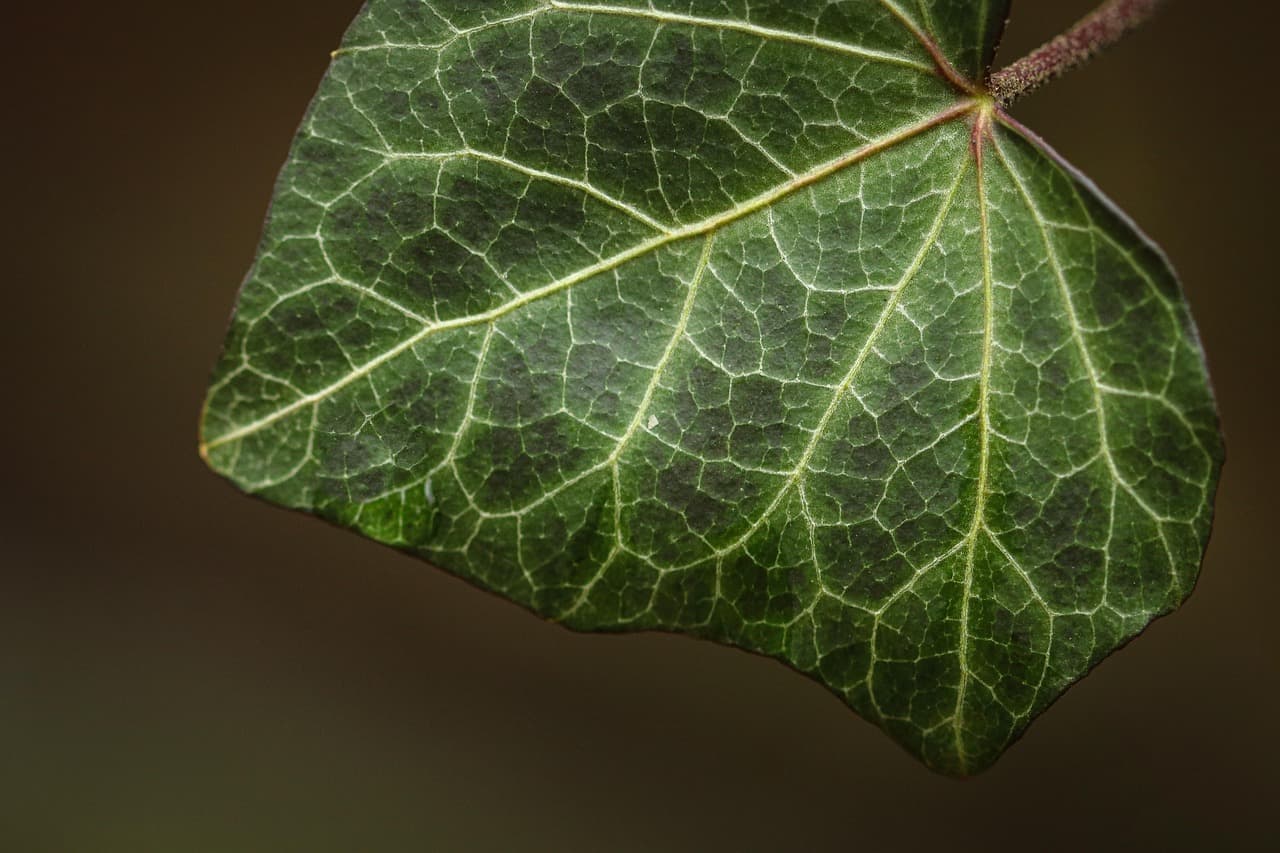
Poison ivy is found throughout New Jersey — along trails, in backyards, and in parks across Robbinsville, Hamilton, East Windsor, and Mercer County. For most children, the first encounter with it results in a miserable, itchy rash that lasts one to three weeks. At Hummingbird Pediatrics, we want families to know how to recognize it, treat it effectively at home, and know when to call us for help.
Identifying Poison Ivy in New Jersey
The old saying still holds: "Leaves of three, let it be." Poison ivy always has three leaflets per leaf cluster, with the middle leaflet on a slightly longer stem than the two side leaflets. The leaf edges may be smooth, toothed, or slightly lobed. In spring, the leaves are often shiny and red-tinted as they emerge; in summer they turn a glossy green; in fall they may turn yellow, orange, or red.
- As a low ground cover, often in shady areas
- As a shrub in open areas
- As a climbing vine on trees and fences (look for the hairy "rope" of the vine clinging to bark)
Poison oak and poison sumac are less common in New Jersey but can cause similar reactions.
What Causes the Rash?
The rash is caused by urushiol — a clear, oily resin found in all parts of the plant, including the roots, stems, leaves, and berries — year-round, even in winter when the plant appears dead.
When urushiol contacts skin, it triggers an immune reaction called allergic contact dermatitis. Children who have never been exposed to poison ivy may not react the first time — the immune system needs to become sensitized first. After that, reactions typically become faster and more intense with subsequent exposures.
How the Rash Develops and Spreads
The rash usually appears 12 to 72 hours after contact. It causes intense itching, redness, and blistering in streaks or patches corresponding to where the plant touched the skin.
A common misconception: the rash does not spread from one part of the body to another on its own, and the fluid in the blisters is not contagious. What looks like "spreading" is usually delayed reaction — areas that received less urushiol react later than heavily exposed areas. The rash cannot be spread by scratching.
However, urushiol on hands, clothing, or pet fur can continue to transfer to new areas of skin if it hasn't been washed off. Wash exposed skin thoroughly with soap and water as soon as possible after potential contact.
Home Treatment
For mild to moderate poison ivy rash:
- Wash affected skin with soap and water as soon as possible after exposure — this can reduce the severity of the reaction if done within the first few hours
- Apply cool, wet compresses to soothe itching and reduce inflammation
- Calamine lotion or hydrocortisone cream (available over the counter) can reduce itching — apply according to package directions
- An over-the-counter antihistamine can help reduce itching, particularly at night — ask your pharmacist which option is right for your child's age
- Keep your child's nails short and clean to reduce scratching and prevent secondary skin infection
- Wash all clothing and gear that may have urushiol on them — including pet fur — before they can cause further exposure
When to Call Hummingbird Pediatrics
- The rash covers a large portion of the body or is widespread
- The rash involves the face, especially near the eyes, or the genitals
- Your child has significant swelling, particularly of the face or around the eyes
- Signs of skin infection develop: increasing warmth, redness spreading beyond the rash, pus, or fever
- Home treatment isn't providing enough relief and the rash is significantly impacting sleep or daily activity
- Your child may have inhaled smoke from burning poison ivy — this is a respiratory emergency
A prescription-strength oral or topical corticosteroid is often needed for extensive or severe reactions and can significantly shorten the duration of the rash. Our team at Hummingbird Pediatrics can evaluate the reaction and prescribe what's appropriate.
Prevention
- Learn to identify poison ivy and teach your children to recognize it — this is the most effective prevention
- Wear long pants, long sleeves, and closed shoes when hiking or working in areas where poison ivy may be present
- If you suspect contact, wash skin thoroughly with soap and water within 10 to 15 minutes
- Wash gardening gloves, clothing, and tools that may have contacted the plant
- Never burn poison ivy — inhaling the smoke can cause severe lung inflammation
Poison ivy season in New Jersey is at its worst from spring through fall. With a little awareness and the right response when a reaction occurs, most children come through it just fine. We are always here to help if home care isn't enough.
Frequently Asked Questions
How do I know if my child touched poison ivy?
The rash from poison ivy typically appears 12–72 hours after contact with urushiol (the oil on the plant). It starts as intense itching followed by redness, swelling, and blisters in streaks or patches. The rash appears where skin contacted the plant, or where urushiol was transferred by hands, clothing, or pets. Recognizing the plant helps: poison ivy has clusters of three leaflets that are shiny and pointed, and its color changes from red-green in spring to dark green in summer to red or orange in fall.
Can the rash spread from scratching or from the blister fluid?
No, and this is one of the most common misconceptions. Scratching does not spread the rash, and neither does the fluid inside the blisters. What appears to be spreading is actually new rash appearing in areas that received a lower dose of urushiol, or that were covered by clothing and absorbed it more slowly. The rash is not contagious. However, urushiol that remains on clothing, shoes, pet fur, or under fingernails CAN cause new reactions until it is washed off.
What can I do at home to relieve my child's poison ivy rash?
Cool compresses and cool showers can reduce itching significantly. Over-the-counter hydrocortisone cream (1%) can help with mild inflammation. Calamine lotion provides temporary relief. Antihistamines can help with itching, especially at bedtime. Keep your child's fingernails short and clean to prevent infection from scratching. Most mild-to-moderate rashes resolve on their own within 1–3 weeks.
When should I call the doctor about a poison ivy rash?
Call your pediatrician if the rash is severe or covers a large part of the body, if the face, eyes, or genitals are involved, if there is significant swelling (especially of the face or throat), if blisters are oozing yellow or green fluid (sign of infection), or if your child has a fever. Prescription oral steroids are often needed for severe reactions and can dramatically speed healing and reduce discomfort.
Can poison ivy rash come from burning the plant?
Yes, this is a serious hazard. Burning poison ivy releases urushiol particles into the smoke. Inhaling this smoke can cause a severe reaction in the airways and lungs, which is a medical emergency. If you suspect your child has inhaled smoke from burning poison ivy, go to the emergency room immediately. Never burn brush or yard debris without first identifying whether poison ivy is present.
Need Personal Guidance?
This article provides general information. For questions specific to your child's health, please call our office or book an appointment online.