
Pinworms in Children: What They Are, How to Treat Them, and Preventing Spread
Last Reviewed:
This health information is reviewed by board-certified pediatricians and follows current American Academy of Pediatrics (AAP) guidelines.
Few discoveries cause parents more alarm than finding out their child has pinworms. But here's what every parent should know from the start: pinworms are the most common intestinal parasitic infection in the United States, affect tens of millions of people annually, and are completely and easily treatable with a single dose of medication.
At Hummingbird Pediatrics in Robbinsville, we want families across Mercer County to feel informed and calm — because pinworms, while unpleasant to think about, are a nuisance rather than a serious health concern.
What Are Pinworms?
Pinworms (Enterobius vermicularis) are tiny, white, thread-like worms about the length of a staple — about a centimeter long. They live in the colon and rectum and come out at night to lay eggs around the anus, which causes intense itching.
Pinworms are not harmful to organs, do not burrow through tissue, and do not cause serious illness. The main problem is the itching, which can disrupt sleep, and the risk of spreading to other family members.
How Children Get Pinworms
Pinworm infection spreads through the fecal-oral route. Here's the cycle:
- A child scratches their itchy bottom (often at night, during sleep, without knowing)
- Pinworm eggs get under the fingernails
- Eggs are transferred to objects, surfaces, bedding, food, or directly to the mouth
- Another person ingests the eggs (or the same child re-infects themselves)
- Eggs hatch in the intestine, mature into adult worms in 2–6 weeks, and the cycle continues
Pinworm eggs can survive on surfaces (bedding, towels, toilet seats, doorknobs) for up to 3 weeks. This is why pinworms spread so easily in households, schools, and daycares.
Children are most commonly affected because they are less likely to wash their hands consistently and are in close contact with other children.
Signs of Pinworm Infection
The Classic Sign: Nighttime Perianal Itching
Intense itching around the anus at night — especially between 10 PM and 2 AM, when female pinworms come out to lay eggs — is the hallmark symptom. Your child may wake up crying, scratching, or complaining of an itchy bottom.
Other Signs
- Restless or disrupted sleep
- Irritability and behavioral changes from sleep deprivation
- In girls, pinworms occasionally migrate to the vaginal area, causing vaginal itching or discharge
- Occasionally, abdominal discomfort (though most children with pinworms have no abdominal symptoms)
Many children with pinworms have no symptoms at all — the infection is only discovered when worms are seen.
How to Confirm a Pinworm Diagnosis
The "Scotch Tape Test"
The most reliable way to confirm pinworms at home: 1. First thing in the morning — before your child bathes, uses the toilet, or changes underwear 2. Press a piece of clear tape against the skin around the anus 3. Place the tape sticky-side-down on a clear glass slide or plastic wrap 4. Bring it to our office for microscopic examination
Pinworm eggs are microscopic but clearly visible under a microscope. Alternatively, you may directly observe adult worms — small white threads — in your child's stool or around the anal area at night.
Can I Treat Without Confirming?
Yes. If your child has classic nighttime perianal itching, treatment is entirely reasonable without laboratory confirmation. Many pediatricians recommend treating based on clinical presentation alone, especially when a household member has been confirmed to have pinworms.
Treatment
Pinworms are treated with antiparasitic medication:
Over-the-Counter Option
Pyrantel pamoate (Pin-X, Reese's Pinworm Medicine): Available OTC, dosed by weight, given as a single dose. A second dose 2 weeks later is recommended to kill any newly hatched worms. Very safe and effective for children over 2 years.
Prescription Option
Mebendazole or albendazole: Prescription medications that may be recommended by your pediatrician, particularly for recurrent or treatment-resistant infections.
Treat the Whole Family
Because re-infection within a household is extremely common, treating all household members simultaneously — even those without symptoms — is recommended. A single dose each, followed by a second dose in 2 weeks.
Hygiene Measures to Prevent Re-Infection
Treatment without hygiene measures leads to frequent re-infection. On treatment day and for the following 2 weeks:
- Wash all bedding, towels, and sleepwear in hot water and dry on high heat
- Vacuum and damp-mop bedroom floors
- Clean toilet seats and bathroom surfaces daily
- Change underwear daily
- Keep fingernails short and clean
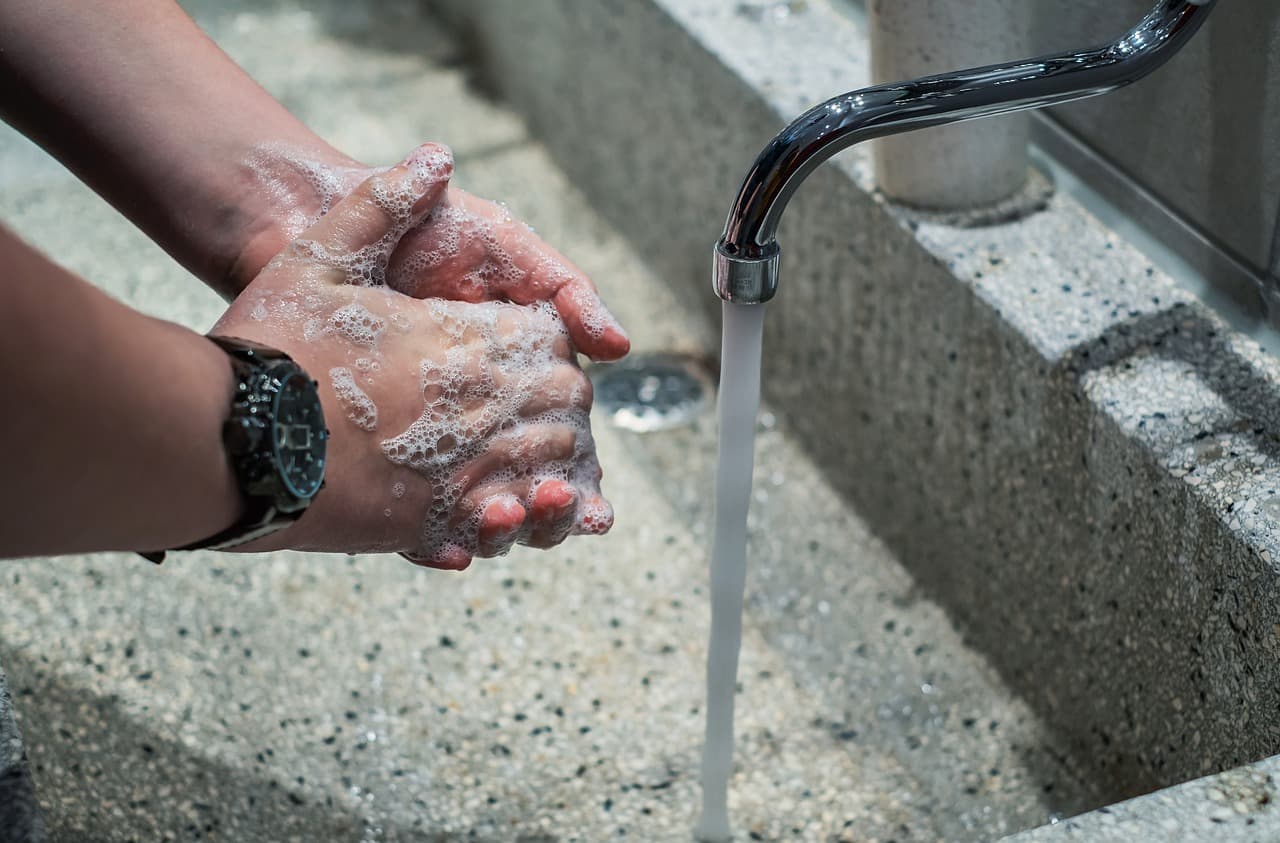
- Encourage consistent handwashing — especially before eating and after using the bathroom
- Avoid nail-biting and finger-sucking
The eggs settle on dust and surfaces, so thorough cleaning during treatment significantly reduces re-infection risk.
When to Call Hummingbird Pediatrics
- Your child is under 2 years old (OTC pyrantel pamoate is not recommended under age 2)
- Symptoms persist or recur after two complete treatment courses
- Your child has abdominal pain, blood in stool, or symptoms that don't fit pinworm infection
- You are unsure of the diagnosis
Pinworm infection in children is common, harmless, and very treatable. Please don't feel embarrassed to bring it up — we discuss it regularly and are here to help.
Pinworms in Daycare and School Settings
Pinworms spread readily in group care settings — daycares, preschools, and elementary schools — because young children often don't wash their hands consistently and play in close contact with peers. If your child is diagnosed with pinworms, you are not required to notify the school, but it is courteous to alert daycare or preschool administrators so other families can be informed and check their own children.
Schools cannot legally exclude a child from attendance solely for pinworm infection. The condition is not considered a public health emergency, and children who have been treated and are otherwise well can attend school normally.
If your child has had more than one pinworm infection in a short period, it is worth discussing at a well-child visit. We can review hygiene habits, assess whether household treatment was complete, and make sure there isn't an underlying reason for repeated re-infection.
Frequently Asked Questions
How do I know if my child has pinworms?
The most telling sign is intense itching around the anus at night (typically between 10 PM and 2 AM) when female pinworms come out to lay eggs. Your child may wake up crying, scratching, or very uncomfortable. You can confirm by pressing a piece of clear tape near the anal area first thing in the morning (before bathing or using the toilet) and having it examined, or by looking for tiny white thread-like worms around the area at night.
Are pinworms dangerous?
No. Pinworms are a nuisance but not a health hazard. They do not damage internal organs, do not burrow through tissue, and do not cause serious illness. The main problems are the nighttime itching (which disrupts sleep) and the ease with which they spread to other household members. They are very common and very treatable.
Do I need a prescription to treat pinworms?
No. Pyrantel pamoate (brand names Pin-X or Reese's Pinworm Medicine) is available over the counter at most pharmacies and is effective for children over 2 years old. It is dosed by weight. A second dose is given 2 weeks later to kill newly hatched worms. All household members should be treated at the same time, even those without symptoms.
Do I need to treat the whole family if only one child has pinworms?
Yes. Because pinworm eggs spread so easily through contact and shared surfaces, household transmission is very common by the time one person is diagnosed. Current guidance recommends treating all household members simultaneously, even those without symptoms, along with a second dose for everyone 2 weeks later.
How do I prevent pinworms from coming back?
Along with medication, thorough hygiene measures reduce re-infection: wash all bedding and sleepwear in hot water, vacuum floors, clean bathroom surfaces daily, keep fingernails short, change underwear daily, and encourage consistent handwashing, especially before eating and after using the bathroom. Pinworm eggs can survive on surfaces for up to 3 weeks.
My child keeps getting pinworms, why?
Recurrent pinworms usually mean re-infection, either from household members who were not treated, from contaminated surfaces that weren't cleaned, or from re-exposure at school or daycare. Make sure all household members are treated simultaneously, complete the second dose at 2 weeks, and reinforce the hygiene measures consistently. If infections are very frequent despite proper treatment, contact your pediatrician.
Need Personal Guidance?
This article provides general information. For questions specific to your child's health, please call our office or book an appointment online.