
Head Lice in Children: Step-by-Step Treatment and Prevention Guide
Last Reviewed:
This health information is reviewed by board-certified pediatricians and follows current American Academy of Pediatrics (AAP) guidelines.
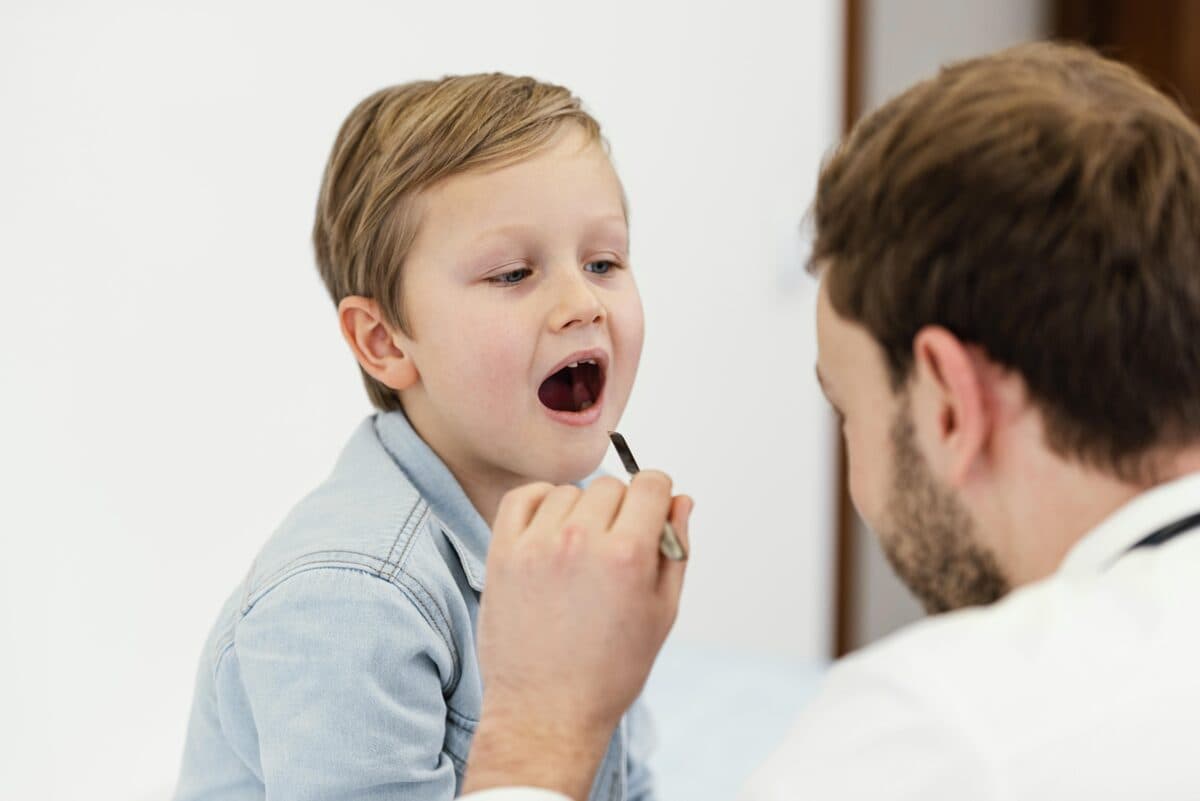
Getting a note home from school saying your child has been exposed to head lice is enough to make any parent's head itch immediately. At Hummingbird Pediatrics, we want to take the anxiety out of lice season for families across Robbinsville, Hamilton, East Windsor, and Mercer County with clear, practical guidance on what works, what doesn't, and what to do first.
The most important thing to know: head lice are a nuisance, not a health hazard. They do not carry disease, do not reflect poor hygiene, and are very treatable with the right approach.
What Are Head Lice?
Head lice (Pediculus humanus capitis) are tiny, wingless parasitic insects that live on the scalp and feed on small amounts of blood. They are about the size of a sesame seed, tan to grayish-white in color, and move quickly away from light — which is why they're hard to spot.
Lice eggs (nits) are even harder to see. They are oval, yellowish to white, and glued firmly to individual hair shafts close to the scalp. Unlike dandruff, nits do not flake off when you try to brush them away.
Head lice spread almost exclusively through direct head-to-head contact. They cannot jump, fly, or hop. Transmission through hats, brushes, or furniture is theoretically possible but far less common than many parents assume.
How to Check for Head Lice
Use a bright light and a fine-toothed comb. Part the hair in sections and look closely at the scalp, especially behind the ears and at the nape of the neck — lice prefer warm areas close to the scalp.
Seeing live lice confirms the diagnosis. Nits close to the scalp (within 1 centimeter) indicate an active infestation. Nits found more than 1 centimeter from the scalp are usually empty cases from older eggs and do not indicate active infestation.
Step-by-Step Treatment
Step 1: Choose an Over-the-Counter Treatment
The first-line treatment for head lice is an over-the-counter pediculicide (lice-killing medication). The most commonly recommended option is:
1% Permethrin (Nix): Available as a cream rinse. This is safe, effective, and recommended by the American Academy of Pediatrics as a first-line treatment. It kills live lice but does not reliably kill all eggs.
Pyrethrin-based products (Rid, A-200): Similar effectiveness to permethrin. Not recommended for people with chrysanthemum or ragweed allergies.
Step 2: Apply the Treatment Correctly
- Apply the product to dry hair (not wet) unless the product label specifies otherwise
- Follow the label instructions carefully — leave on for the full recommended time (usually 10 minutes for permethrin)
- Rinse thoroughly
- Do not wash hair again for 1–2 days after treatment
Step 3: Comb Out Nits
Nit combing is the most important part of treatment and cannot be skipped. Many treatment failures happen because nits were not removed.
- Apply conditioner or olive oil to damp hair to ease combing
- Use a fine-toothed metal nit comb (plastic combs are often less effective)
- Section the hair and comb from root to tip, one small section at a time
- Wipe the comb on a white paper towel after each stroke and rinse in hot water
- This process takes 30–60 minutes for most children and should be thorough
Step 4: Repeat Treatment in 9 Days
Since permethrin does not reliably kill unhatched eggs, a second treatment 9 days later is essential. This kills any newly hatched lice before they can reproduce. Mark it on your calendar now.
Step 5: Check and Treat Household Members
Check everyone in the household for lice. Only treat people who show evidence of live lice or nits — do not treat as a precaution. Prophylactic treatment is not recommended and contributes to resistance.
Treating the Home — What Actually Works
You do not need to throw away pillows, bag toys, or fumigate your home. Lice cannot survive for more than 24–48 hours off the human scalp.
- Wash bedding, pillowcases, towels, and clothing used in the last 2 days in hot water (130°F) and dry on high heat for at least 20 minutes
- Soak combs and brushes in hot water for 5–10 minutes
- Vacuum carpet and upholstered furniture where the child rests their head
- Items that cannot be washed can be sealed in a plastic bag for 2 weeks
- Bag all stuffed animals and toys
- Use lice sprays on furniture or mattresses
- Have the home professionally fumigated
- Keep your child home from school once treatment has begun
School and Return Policy
The American Academy of Pediatrics recommends that children should not be excluded from school or sent home during the school day solely because of head lice. A child with lice should begin treatment after school and can return the next day.
"No nit" policies (keeping children home until all nits are gone) are not supported by the AAP because dead and empty nit casings can persist long after treatment. Talk to your school about their specific policy.
When to Call Hummingbird Pediatrics
- You have completed two rounds of OTC treatment (9 days apart) and still see live lice
- Your child has significant scalp irritation, crusting, or drainage — these may indicate a secondary bacterial infection requiring antibiotic treatment
- You are unsure whether what you are seeing is lice or something else
- Your child has a known allergy to pyrethrin products
- Your child is under 2 years old (some products are not recommended for infants)
In cases of OTC treatment failure, we can prescribe prescription-strength lice treatments that are effective against permethrin-resistant lice strains.
Prevention Tips
- Teach children to avoid head-to-head contact during play
- Discourage sharing of hats, helmets, brushes, combs, and hair accessories
- Wear hair up (in braids, buns, or ponytails) during school — this reduces contact
- Check your child's scalp regularly during lice season (late August through November)
- If a classmate has lice, check your child right away
Frequently Asked Questions
Do lice mean my child or family has poor hygiene? No. Lice infest clean and dirty hair equally. They are attracted to the warmth of the scalp, not to any particular level of cleanliness. Head lice are extremely common in school-age children and carry no stigma.
Do lice jump from head to head? No. Lice cannot jump, fly, or hop. They spread through direct head-to-head contact, which is why they are so common in school-age children who play and work closely together.
Can I use mayonnaise, coconut oil, or tea tree oil to treat lice? Home remedies like mayonnaise, olive oil, or essential oils have not been proven effective in rigorous studies. While they may slow lice movement, they do not reliably kill lice or eggs. OTC permethrin-based products are the evidence-backed first-line treatment.
How do I know if the treatment worked? Check for live lice 8–12 hours after treatment. If live lice are still very active at 8–12 hours, the product may not be working and you should contact us. Some lice movement immediately after treatment is expected. Dead and sluggish lice after 8 hours is a sign treatment is working.
How long can lice live off a human head? Head lice can survive for up to 24–48 hours off a human scalp. They need regular blood meals to survive and cannot reproduce without a host. This is why environmental contamination is a minor factor in most infestations.
Frequently Asked Questions
Do lice mean my child or family has poor hygiene?
No. Lice infest clean and dirty hair equally. They are attracted to the warmth of the scalp, not to cleanliness. Head lice are extremely common in school-age children and carry no stigma. Children in the cleanest homes get lice just as often as anyone else.
Do I need to treat everyone in the house if one child has lice?
Check everyone in the household carefully, but only treat people who have confirmed live lice or nits. Prophylactic treatment of people without evidence of infestation is not recommended. It contributes to pesticide resistance and is unnecessary.
Can I use mayonnaise, coconut oil, or tea tree oil to treat lice?
Home remedies have not been proven effective in rigorous studies. While suffocation-based methods may slow lice temporarily, they do not reliably kill lice or eggs. Over-the-counter permethrin-based products are the evidence-backed first-line treatment recommended by the American Academy of Pediatrics.
How do I know if the treatment worked?
Check for live lice 8–12 hours after treatment. Some lice movement immediately after treatment is expected. If live lice are still very active at 8–12 hours, the product may not be working. Contact your pediatrician. A second treatment is always needed 9 days after the first to kill newly hatched lice.
Should my child stay home from school because of lice?
The American Academy of Pediatrics recommends that children should not be excluded from school solely because of head lice. Begin treatment after school and your child can return the next day. 'No nit' policies are not supported by current evidence because dead nit casings can remain long after successful treatment.
When should I call the doctor about lice?
Contact your pediatrician if two rounds of OTC treatment (9 days apart) haven't cleared the infestation, your child has significant scalp irritation or drainage suggesting a skin infection, your child is under 2 years old, or you are unsure whether what you're seeing is actually lice.
Need Personal Guidance?
This article provides general information. For questions specific to your child's health, please call our office or book an appointment online.