
Does My Child Need Glasses? Vision Signs and Eye Exam Schedule
Last Reviewed:
This health information is reviewed by board-certified pediatricians and follows current American Academy of Pediatrics (AAP) guidelines.
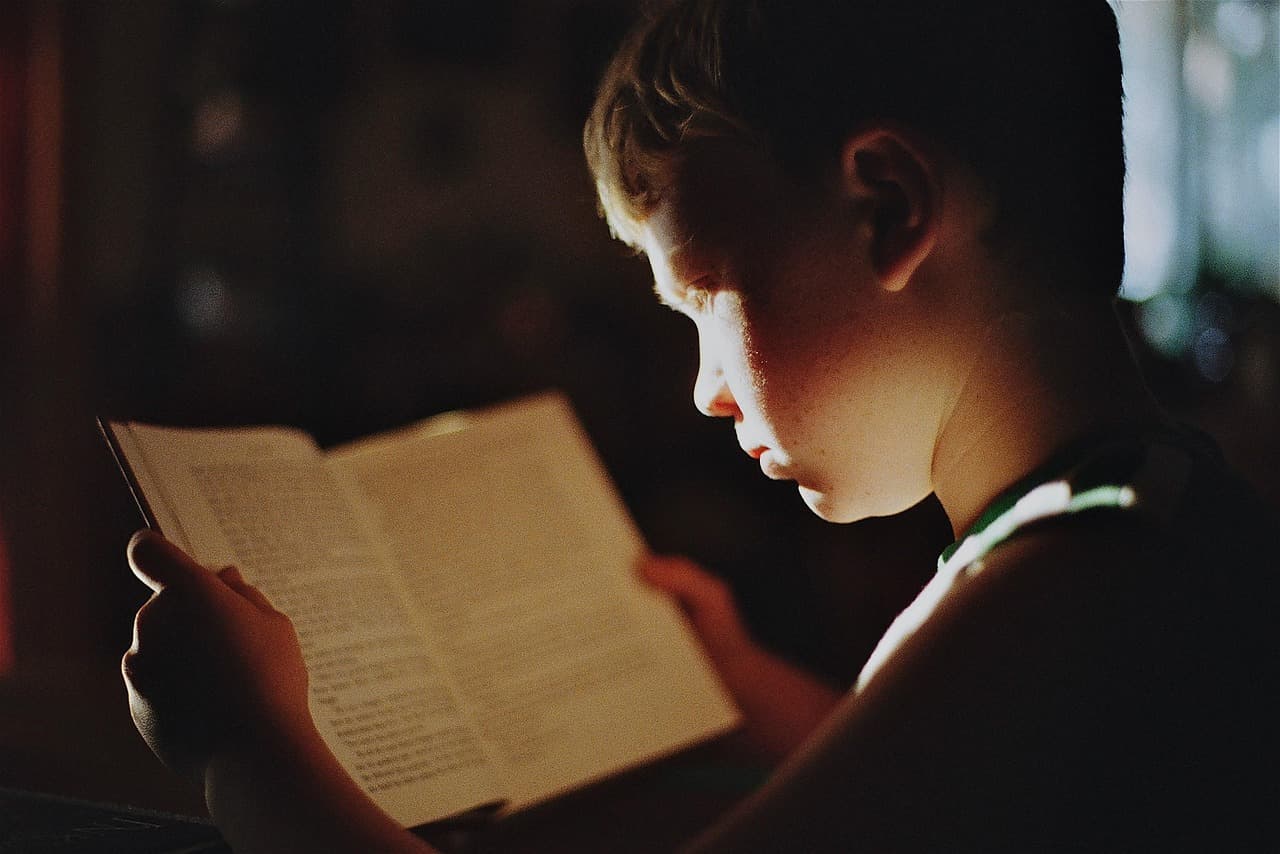
One of the most important things to know about vision problems in children is this: most children with significant vision issues don't tell their parents because they have nothing to compare their vision to. If a child has never seen clearly, blurry vision feels normal.
This is why vision screening at well-child visits and regular eye exams are so important — children can't always advocate for themselves when it comes to their eyesight. At Hummingbird Pediatrics in Robbinsville, we screen for vision problems at every well-child visit and will refer to a pediatric ophthalmologist or optometrist when concerns arise.
Why Early Detection Matters: The Critical Window
Vision develops actively during the first 7–8 years of life. If a vision problem goes undetected and uncorrected during this critical period — particularly a problem that affects one eye more than the other — the brain may begin to "ignore" the weaker eye and rely exclusively on the stronger one. This is called amblyopia, or lazy eye, and it can become permanent if treatment is delayed.
This is the central reason for early and routine vision screening: catching conditions during the years when treatment can fully restore vision.
Vision Screening Schedule at Well-Child Visits
At Hummingbird Pediatrics, we incorporate vision screening into every well-child visit:
- Newborn and early infancy: We check for structural eye problems, pupil reaction to light, and the ability of both eyes to track together
- 6 months–3 years: We use an instrument called a photoscreener (a handheld device that takes a photo of both eyes simultaneously) to detect risk factors for vision problems before a child can cooperate with a traditional eye chart
- 3 years: First formal visual acuity test using a picture-based eye chart
- 4 years and older: Annual visual acuity screening at well-child visits using letter or number charts
These screenings are powerful but not a substitute for a full eye examination by an eye care professional. If we detect a concern at any age, we refer promptly.
Signs That Your Child May Have a Vision Problem
Because children adapt to and accept their vision as normal, parents often notice behavioral clues rather than complaints:
Signs in Infants and Toddlers
- One or both eyes appearing crossed, turning inward or outward (especially consistently after 4 months of age)
- Eyes that don't move together in the same direction
- White, cloudy, or grayish appearance in the pupil (should always be immediately evaluated — can indicate a serious condition)
- Extreme sensitivity to light
- Frequent tearing not explained by blocked tear duct
Signs in Preschool and School-Age Children
- Squinting to see things in the distance or up close
- Sitting very close to the TV or holding books very close
- Tilting the head or covering one eye to see better
- Frequent eye rubbing (beyond tiredness)
- Complaints of headaches, especially after reading or close work
- Losing their place frequently while reading, or skipping lines
- Avoiding reading, coloring, or other near-work activities
- Poor hand-eye coordination relative to peers
- Declining school performance, especially in reading
Common Childhood Vision Conditions
Myopia (Nearsightedness)
The most common refractive error in children. Objects far away appear blurry; close objects are clear. Myopia often develops in the school years and progressively worsens through adolescence. It is corrected with glasses or contact lenses. Myopia rates have risen dramatically in recent decades, and research suggests that spending time outdoors slows its progression.
Hyperopia (Farsightedness)
Most babies and toddlers have some degree of farsightedness, which they compensate for through accommodation (focusing effort). Significant farsightedness causes headaches, fatigue with reading, and in some children, contributes to crossed eyes (esotropia).
Astigmatism
An irregular curvature of the cornea that causes blurred or distorted vision at all distances. Often occurs alongside myopia or hyperopia. Corrected with glasses.
Amblyopia (Lazy Eye)
Reduced vision in one eye that occurs when the brain begins to suppress the input from that eye, usually due to uncorrected refractive error, strabismus (misaligned eyes), or a physical obstruction like a cataract. Treatment includes glasses and often patching or eye drops to the stronger eye to force the brain to use the weaker one. Treatment is most effective when started before age 7.
Strabismus (Crossed or Misaligned Eyes)
Eyes that do not point in the same direction. Types include esotropia (eye turns inward) and exotropia (eye turns outward). Strabismus is not a muscle weakness — it is a brain-eye coordination problem. Treatment may include glasses, patching, vision therapy, or surgery, depending on the type and severity.
When Should My Child Have a Full Eye Exam?
- Infancy: Newborn exam at the hospital; follow-up at well-child visits
- Age 3: First comprehensive eye exam by an eye care professional
- Age 5–6: Before starting school
- Annually thereafter: Especially if there is a family history of vision problems, previous vision conditions, or if the child is at risk for myopia progression
If your child fails a vision screening at our office, has a risk factor for vision problems, or you have concerns at any age, we will refer to a pediatric ophthalmologist (MD who specializes in children's eye conditions and can perform surgery if needed) or a pediatric optometrist for a comprehensive evaluation.
What to Expect at a Children's Eye Exam
A pediatric eye exam is adapted for each child's age and abilities. Infants can be evaluated using light reflexes and special lenses. Toddlers use picture or symbol charts. The exam evaluates visual acuity in each eye separately, eye alignment, eye movement, and the health of the eye structures. It is gentle, painless, and typically takes 30–45 minutes.
If glasses are recommended, we encourage you to get them promptly. Children adapt to glasses remarkably quickly — often within days — and the vision improvement is often dramatic and immediately apparent in their behavior.
If you have any concerns about your child's vision or have been told they failed a vision screening, please call our office. We will ensure they get the evaluation they need promptly.
Frequently Asked Questions
At what age should my child have their first eye exam?
Your pediatrician screens for vision problems at every well-child visit starting at birth. The first comprehensive eye exam by an eye care professional (ophthalmologist or optometrist) is recommended at age 3, with another before starting school at age 5–6. After that, annual exams are recommended, especially if your child has a family history of vision problems or was previously found to have a refractive error.
How will I know if my child has trouble seeing?
Children often don't complain about vision problems because they don't know what clear vision looks like. Watch for behavioral clues: squinting to see distant objects, sitting very close to the TV, holding books too close to the face, tilting the head to one side, covering one eye, frequent headaches after reading, losing their place while reading, or avoiding near-work activities.
What is amblyopia and can it be treated?
Amblyopia (lazy eye) is reduced vision in one eye that develops when the brain begins to suppress that eye's input, usually due to uncorrected refractive error, strabismus (misaligned eyes), or a physical obstruction. Treatment involves glasses and often patching the stronger eye to force the brain to use the weaker one. Treatment is most effective before age 7, which is why early detection is so important.
My child's eyes sometimes look crossed, should I be worried?
Eyes that consistently cross or turn outward after 4 months of age should be evaluated by a pediatric ophthalmologist promptly. Occasional eye crossing in newborns can be normal, but persistent misalignment at any age warrants evaluation. Early treatment of strabismus (misaligned eyes) prevents amblyopia and improves long-term outcomes significantly.
Can children wear contact lenses?
Contact lens use depends on a child's maturity, responsibility, and motivation, not a specific age cutoff. Many teenagers successfully wear contacts. The decision should be made in consultation with an eye care professional who knows your child. Children in contact lenses need to follow strict hygiene protocols to avoid serious eye infections.
Does spending time outdoors really affect myopia?
Yes. Research consistently shows that spending 1–2 hours per day outdoors during the school years is associated with a significantly lower risk of developing myopia and slowing its progression in children who already have it. The mechanism appears to be related to bright light exposure (not UV) affecting eye growth. Encouraging outdoor play is one of the most evidence-backed strategies for myopia prevention.
Need Personal Guidance?
This article provides general information. For questions specific to your child's health, please call our office or book an appointment online.