
Asthma in Children: Signs, Triggers, and When to Seek Help
Last Reviewed:
This health information is reviewed by board-certified pediatricians and follows current American Academy of Pediatrics (AAP) guidelines.
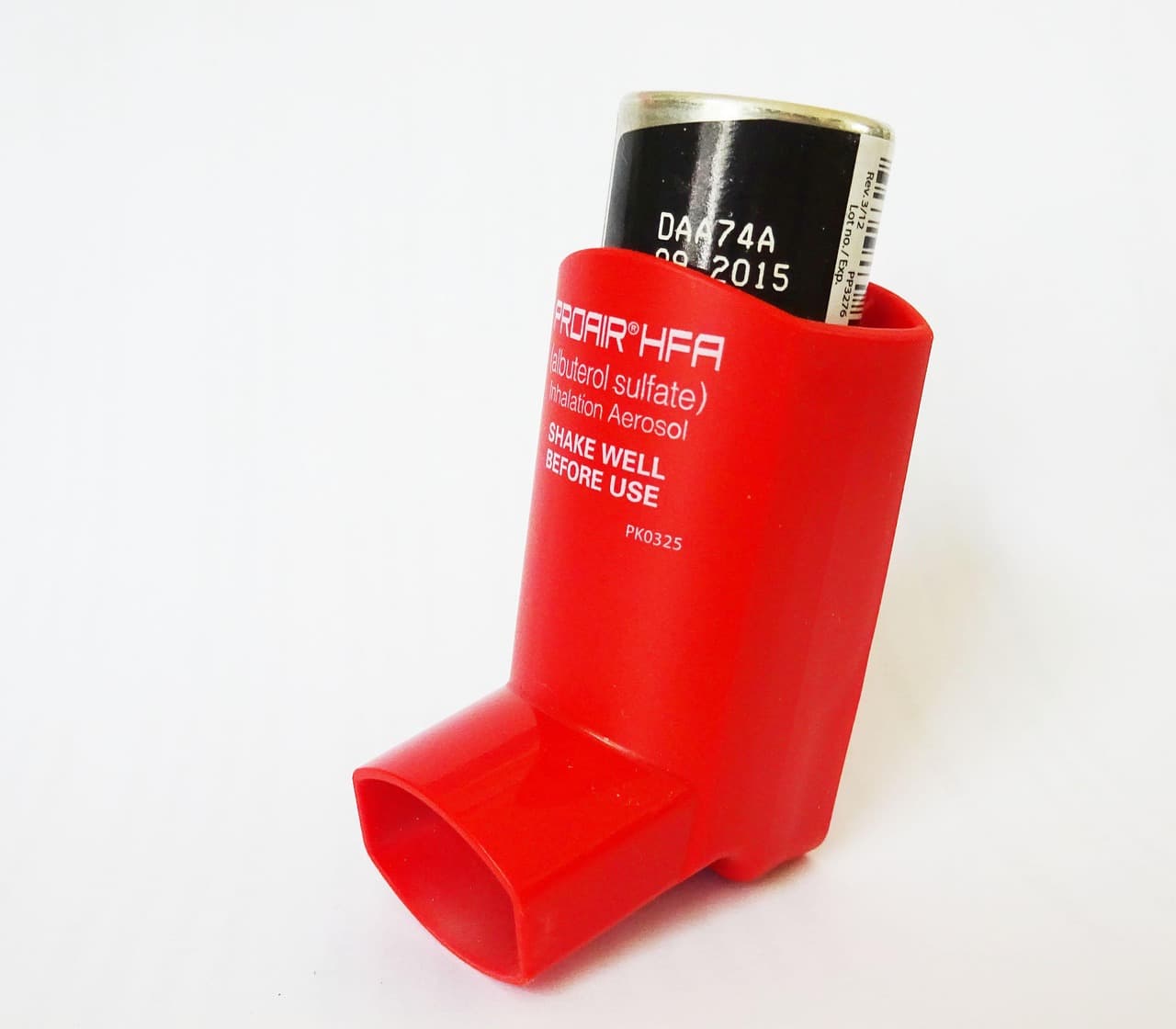
Asthma is the most common chronic disease in children in the United States, affecting millions of school-age kids. Yet many families don't recognize it right away because asthma in children doesn't always look like the dramatic wheezing scenes you might picture. For families across Robbinsville, Hamilton, West Windsor, and Mercer County, understanding what childhood asthma looks like — and how to manage it — makes an enormous difference in your child's quality of life.
At Hummingbird Pediatrics, we want every family to feel confident recognizing asthma symptoms early and knowing exactly what to do.
What Is Asthma?
Asthma is a chronic inflammatory condition of the airways. In children with asthma, the airways are persistently sensitive and can become swollen, narrowed, and filled with mucus when triggered. This makes it harder to move air in and out of the lungs, causing the classic symptoms: coughing, wheezing, chest tightness, and shortness of breath.
The key word is "chronic" — asthma is always present to some degree, even when your child seems fine. This is why ongoing management matters even between episodes.
Signs of Asthma in Children
Asthma symptoms vary by age and severity. Some common patterns:
Persistent or Recurrent Cough
A cough that keeps coming back — especially at night, during exercise, or after laughing — is one of the most overlooked signs of asthma in children. Some children have "cough-variant asthma" where coughing is the primary or only symptom.
Wheezing
A whistling sound when your child breathes out is the classic asthma symptom. But not all children with asthma wheeze, and not all wheezing is asthma — so an evaluation is always important.
Shortness of Breath or Chest Tightness
Older children may describe their chest feeling tight, heavy, or like they can't take a full breath. Younger children can't describe this but may refuse to run or play as much as usual.
Exercise-Related Symptoms
Many children with asthma develop coughing, wheezing, or shortness of breath during or after physical activity. This is called exercise-induced bronchoconstriction and is very common.
Recurring "Chest Colds" or Bronchitis
Children who seem to get bronchitis or chest infections multiple times a year may actually be experiencing asthma episodes triggered by viral illnesses.
Common Asthma Triggers in Children
A trigger is anything that causes the already-sensitive airways to become more inflamed and constricted. Common triggers include:
- Respiratory infections — Colds and other viral illnesses are the most common trigger in young children
- Allergens — Pollen, mold, dust mites, pet dander, and cockroach allergens
- Exercise — Especially in cold, dry air
- Cold air or weather changes — Breathing cold air can constrict airways
- Smoke — Cigarette smoke (including secondhand smoke) is a major trigger
- Strong odors or irritants — Cleaning products, perfumes, air fresheners, pollution
- Excitement or strong emotions — Crying, laughing, or stress can trigger symptoms in some children
Identifying your child's specific triggers is a key part of asthma management, because avoiding triggers prevents many episodes.
How Is Childhood Asthma Diagnosed?
Asthma is diagnosed based on the pattern of symptoms, physical examination, and sometimes breathing tests (spirometry). In children under 5, spirometry is often not feasible, so diagnosis relies heavily on symptom history and response to treatment.
Your pediatrician at Hummingbird Pediatrics will ask detailed questions about when symptoms occur, what makes them better or worse, family history of asthma or allergies, and whether symptoms respond to bronchodilator medications.
If asthma is suspected, we may start a trial of quick-relief medication to see if it helps — improvement with bronchodilators supports the diagnosis.
Understanding Asthma Medications
Asthma medications fall into two categories:
Quick-Relief (Rescue) Medications
These are short-acting bronchodilators (most commonly albuterol) that relax the muscles around the airways within minutes. They are used when symptoms appear — during an asthma episode or before exercise. They do not treat the underlying inflammation.
Controller (Preventive) Medications
Inhaled corticosteroids (like fluticasone or budesonide) are the most effective long-term controller medications. They reduce airway inflammation when taken daily, preventing symptoms from occurring. They are not steroids that build muscle — they are anti-inflammatory medications delivered directly to the lungs in tiny doses.
If your child needs their rescue inhaler more than twice a week, or wakes from asthma symptoms more than twice a month, this is a signal that a controller medication may be needed.
Inhaler Technique and Spacers
Proper inhaler technique is critical for medication to reach the lungs. Children should always use a spacer (a tube that attaches to the inhaler) — it significantly improves medication delivery and reduces side effects. We will show you the correct technique at your visit.
Asthma Action Plans
Every child with asthma should have a written Asthma Action Plan — a personalized document that tells parents and school staff exactly what to do based on symptom severity. It uses a traffic light system:
- Green zone: Symptoms are controlled. Continue daily medications.
- Yellow zone: Symptoms are worsening. Add rescue medication and monitor.
- Red zone: Severe symptoms. Use rescue medication immediately and seek emergency care.
We create individualized action plans for our patients with asthma and update them as your child grows.
When to Go to the ER
- Has severe difficulty breathing (ribs or neck muscles pulling in with each breath)
- Cannot speak in full sentences due to breathlessness
- Has blue or gray lips, fingernails, or skin
- Does not improve significantly after rescue inhaler use
- Is using their rescue inhaler more than every 4 hours and not getting adequate relief
Living Well with Asthma
Most children with well-managed asthma live fully active lives — running, playing sports, and sleeping through the night without symptoms. The goal of asthma management is zero symptoms, not just reducing them.
If you think your child may have asthma, or if your child's diagnosed asthma is not well-controlled, we encourage you to schedule a dedicated visit with our team at Hummingbird Pediatrics. We take the time to identify triggers, review medications, check inhaler technique, and update your action plan.
Frequently Asked Questions
How do I know if my child's cough is asthma?
A cough that keeps coming back (especially at night, during or after exercise, or when your child is sick) is a key sign of asthma. If your child's cough doesn't go away after a cold resolves, or if it appears with wheezing, chest tightness, or shortness of breath, talk to your pediatrician about an asthma evaluation.
What is a rescue inhaler and how is it different from a controller inhaler?
A rescue inhaler is a fast-acting bronchodilator used when asthma symptoms appear. It opens the airways within minutes. A controller inhaler (usually an inhaled corticosteroid) is taken daily to reduce airway inflammation and prevent symptoms. Your child needs both if their asthma is persistent, not just the rescue inhaler.
What are the most common asthma triggers in children?
The most common triggers include respiratory infections (colds), allergens like dust mites, pet dander, mold, and pollen, cigarette smoke, cold air, exercise, and strong odors. Every child's triggers are different, and identifying your child's specific triggers is an important part of the management plan.
Can my child with asthma play sports?
Yes. With well-managed asthma, most children can participate fully in sports and physical activity. Many elite athletes have asthma. Using a rescue inhaler 15–20 minutes before exercise can prevent exercise-induced symptoms. Talk to your pediatrician about an exercise action plan.
When should I go to the ER for my child's asthma?
Go to the ER if your child has severe difficulty breathing with visible neck or rib muscles pulling in, cannot speak in full sentences, has bluish lips or fingernails, or does not improve significantly after rescue inhaler use. Do not wait. These are signs of a serious asthma attack.
Do children outgrow asthma?
Some children experience fewer symptoms as they get older, and some appear to outgrow asthma during adolescence. However, the underlying airway sensitivity often persists, and symptoms can return in adulthood. Consistent management during childhood helps protect lung development and reduces long-term impact.
Need Personal Guidance?
This article provides general information. For questions specific to your child's health, please call our office or book an appointment online.