
Newborn Weight Loss: Feeding Signs and When to Call
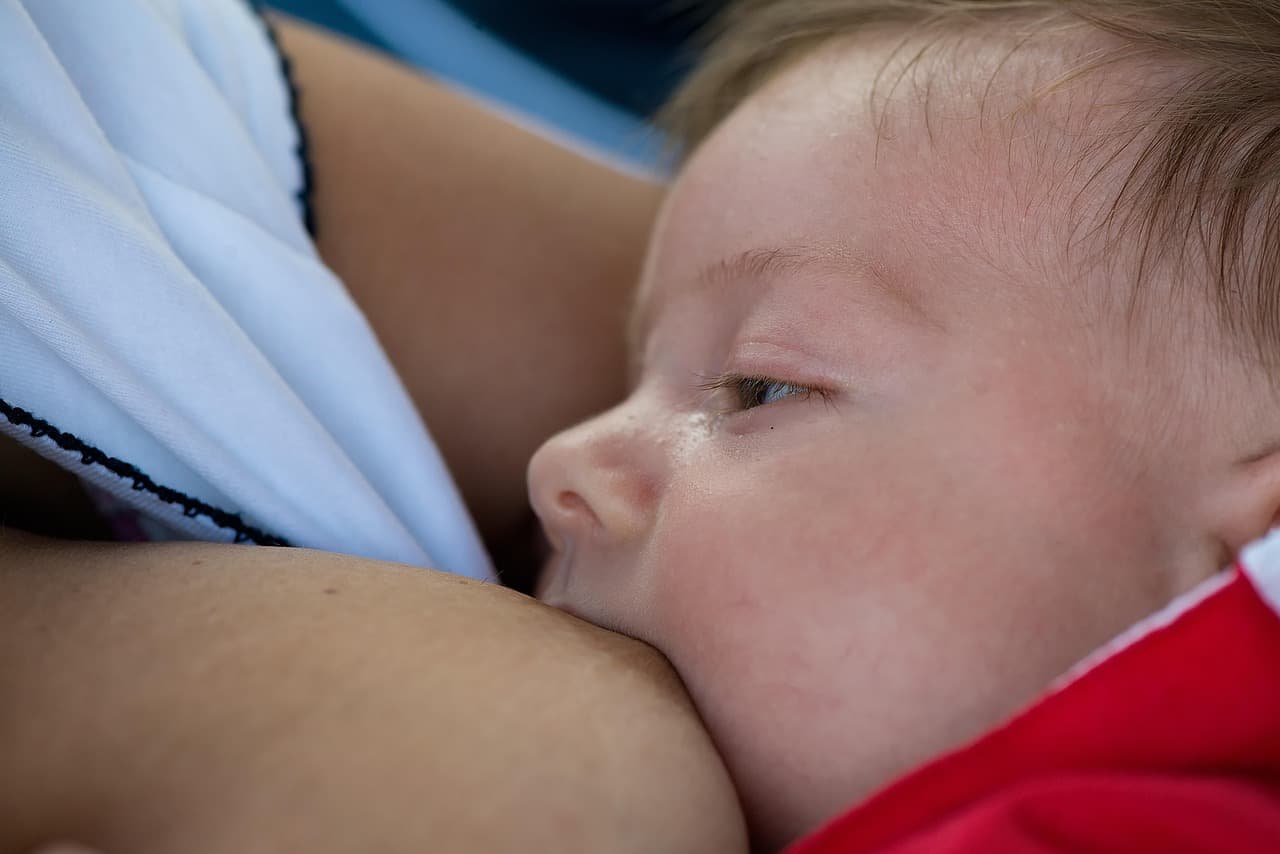
Some weight loss in the first days after birth is common. Whether it is concerning depends on your baby's age, feeding, hydration, and examination, not just a percentage. Keep the planned weight checks and ask for help early if feeding is difficult.
Why Early Weight Changes Need Context
Babies lose some fluid after birth while feeding becomes established. A clinician compares birth, discharge, and follow-up weights alongside the baby's age and health. AAP guidance says loss of more than 10% of birth weight requires further evaluation. That does not make every smaller loss safe or mean you should wait until that amount is reached. [1]
Bring the hospital's actual measurements and feeding plan. Premature babies and babies with medical concerns may need a different follow-up schedule; generic charts should not replace that plan.
When Is Birth Weight Usually Regained?
The AAP notes that birth weight is often regained by 7 to 14 days, particularly in breastfed newborns. Your baby's trend and feeding assessment matter more than aiming for one day on a calendar. The pediatrician may recommend an earlier weight or feeding check, rather than waiting for the next routine well-child visit. [1]
Clues That Help Assess Milk Intake
- Feeding: note how often your baby feeds, swallowing or milk transfer, difficulty latching, and trouble staying awake to feed.
- Wet diapers: expectations change in the early days. By day 4 or 5, the AAP expects at least 6 clear, dilute urinations in 24 hours. Ask promptly if there are fewer; do not wait for a later milestone if you are worried.
- Stools: tell the clinician whether stools are changing from the first dark meconium stools and how often they occur.
- Overall behavior: report unusual sleepiness, worsening yellowing, or a baby who seems less interested in feeding. [1,2]
Diaper counts are clues, not proof that everything is normal. Some babies can still pass urine despite dehydration. Feeding observation, a reliable weight, and an examination help complete the picture. [1]
What to Bring to a Weight or Feeding Check
A short record is enough: birth/discharge weights, recent feeds, bottle amounts if used, wet and dirty diapers, vomiting, and questions about latch or milk supply. Bring the discharge plan and any bilirubin results. A clinician may observe a feed and help decide whether lactation support, a feeding adjustment, testing, or another weight check is appropriate. [1,2]
Avoid repeated comparisons using an adult bathroom scale or different home scales. Measurement differences can be misleading. Ask the care team if and how any home weighing would be useful. Never dilute formula, concentrate it, or add ingredients to try to change weight gain.
Get Help Early, Without Blame
Feeding difficulties are not a parenting failure. Breastfeeding, formula feeding, and combination feeding all deserve practical support. Tell your clinician what is happening rather than changing feeds or supplements on your own. For persistent growth concerns beyond the newborn transition, our slow weight gain guide covers a different, longer-term assessment.
When to Get Urgent Help
Call 911 for severe trouble breathing, blue or purple lips, or a baby who is unresponsive or cannot be woken. Do not wait for an office callback. A temperature of 100.4°F (38°C) or higher in a baby under 3 months needs immediate medical advice. Contact your pediatrician promptly for poor feeding, fewer wet diapers, or worsening jaundice. [2,3,4]
If your baby feeds poorly, is difficult to wake for feeds, or has signs of dehydration, seek prompt medical assessment rather than waiting to reach a weight-loss number. If you cannot reach the clinician promptly about an urgent concern, seek urgent medical care.
Common Parent Questions
Is losing 10% of birth weight always normal?
No. AAP guidance says loss of more than 10% of birth weight requires further evaluation. Smaller losses may also need attention depending on age, feeding, hydration, and other findings. Do not wait for a percentage threshold if your baby is feeding poorly or seems unwell.
When do newborns usually regain birth weight?
AAP guidance notes that birth weight is often regained by 7 to 14 days, particularly for breastfed newborns. This is not a deadline to wait for if feeding or hydration is concerning. Follow your baby's planned weight checks; premature or unwell babies may need an individualized schedule.
Do wet diapers prove my baby is getting enough milk?
They are a useful clue, but not the whole assessment. By day 4 or 5, the AAP expects at least 6 clear, dilute urinations per day. Feeding behavior, stool changes, alertness, measured weight, and the exam also matter. Ask promptly about fewer diapers or other concerns.
Arrange Newborn Follow-Up in Robbinsville
Call (609) 808-3123 with the hospital team's recommended timing. Our pediatricians can assess feeding and weight concerns at the newborn visit.
Learn about newborn care·Plan a prenatal conversationSources
- AAP: First Office Visit, 3–5 Days
- AAP / HealthyChildren.org: Newborn Checkup Checklist
- AAP / HealthyChildren.org: Fever and Your Baby
- AAP: When to Call Emergency Medical Services
This guide supports parent questions and does not replace an individual feeding plan or examination.