
Constipation in Toddlers and Children: Causes, Home Remedies, and When to See a Doctor
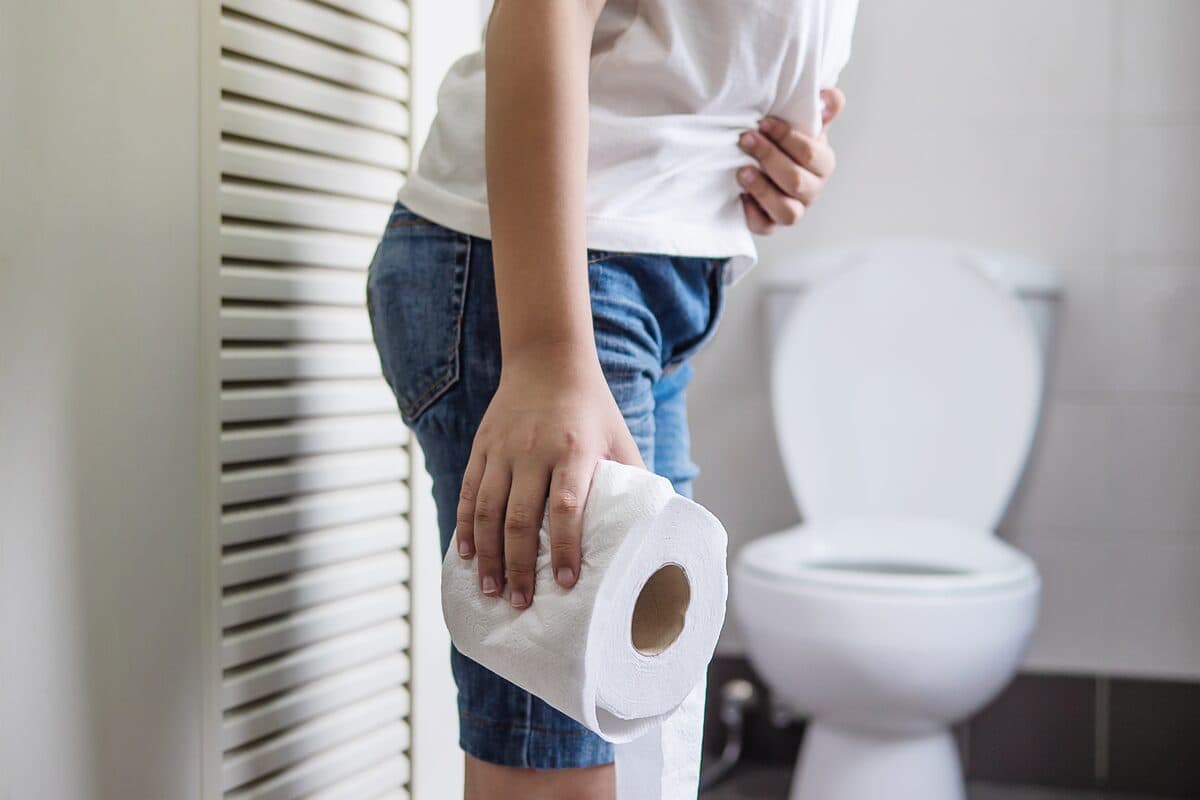
When Your Child Won't Go
Constipation is one of the most common reasons parents call the pediatrician. It accounts for about 3–5% of all pediatric office visits and up to 25% of visits to pediatric gastroenterologists. If your toddler is straining, crying, or avoiding the bathroom — you're not alone, and there's a lot we can do to help.
Constipation in children is defined not just by how frequently they go, but by the consistency of stools and whether it's causing discomfort. Some children naturally go every two to three days and are completely fine; others who go daily but produce hard, painful stools are constipated. The stool's texture matters as much as the timing.
What Does Constipation Look Like in Children?
Your child may be constipated if they have two or more of the following for at least one month:
- Fewer than 3 bowel movements per week
- Hard, dry, or lumpy stools
- Painful or difficult bowel movements (straining, crying, squatting, hiding)
- Feeling of incomplete emptying
- Stool withholding — the child deliberately holds in stool to avoid pain
- Soiling underwear (encopresis) — liquid stool leaking around a hard impaction
- Large-diameter stools that may clog the toilet
A Note on Soiling
If your child who is toilet-trained is soiling their underwear, this is often not willful misbehavior — it's frequently a sign of constipation with overflow. When stool is backed up, liquid stool can leak around the impaction and soil underwear without the child feeling the urge. This is called encopresis and requires evaluation and treatment, not punishment.
Common Causes of Constipation in Children
Diet
Low fiber intake and insufficient fluids are the most common contributors to constipation. Diets heavy in processed foods, white bread, rice, bananas, and dairy — and low in fruits, vegetables, and whole grains — slow the gut. Children who drink too much cow's milk (more than 16–24 oz/day) and not enough water are particularly prone.
Toilet Training
Toilet training is the single most common trigger for constipation in toddlers. Many children resist using the toilet because they find it scary, don't want to stop playing, or fear losing something that feels like part of themselves. Once a child has a painful bowel movement, the "withholding cycle" often begins: pain → fear of more pain → withholding → harder stool → more pain. Breaking this cycle is the goal of treatment.
Changes in Routine
Starting daycare or school (especially using an unfamiliar bathroom), travel, illness, or other disruptions to routine can trigger constipation. Children sometimes hold stool at school or when away from home.
Ignoring the Urge
Children who are busy playing, watching a show, or at school may consistently ignore the urge to go. Over time, the rectum stretches and the child loses sensitivity to the urge to defecate — making it harder to recognize when it's time to go.
Home Remedies That Work
Increase Fluid Intake
Water is the most important first step. Aim for at least 4–6 cups of water daily for children under 5, and more for older children. Diluted prune juice (1–2 oz mixed with water for infants over 6 months; 4 oz for toddlers) can be particularly effective due to its natural sorbitol content.
Add Fiber-Rich Foods
Focus on high-fiber fruits and vegetables: prunes, pears, peaches, plums, apricots, kiwi, berries, broccoli, peas, beans, and whole grains. A useful rule of thumb: age in years + 5 grams of fiber per day (so a 4-year-old needs about 9 grams/day). High-fiber foods also need water to work — increase both together.
Reduce Constipating Foods
Temporarily cut back on cow's milk (limit to 16 oz/day), cheese, bananas, white rice, white bread, and applesauce — all of which can slow the gut. This doesn't mean eliminating dairy permanently, just moderating it during a constipation episode.
Regular Toilet Sitting
After meals — especially breakfast and dinner — gastrocolic reflex causes the colon to contract. Have your child sit on the toilet for 5–10 minutes after meals to take advantage of this natural timing. Make sure their feet are flat on the floor or on a step stool; feet dangling makes it much harder to push.
Physical Activity
Movement stimulates the digestive tract. Regular outdoor play and physical activity is genuinely helpful for gut motility.
Over-the-Counter Options
If dietary changes haven't resolved constipation within a few days, or if your child is in significant discomfort, ask your pediatrician before starting any laxative. Options your pediatrician may recommend for children include polyethylene glycol (MiraLax) or lactulose, both of which work by softening stool without stimulating the bowel. Do not give adult laxatives, suppositories, or enemas to young children without medical guidance.
When to Call the Pediatrician
Call us or schedule an appointment if:
- Your child hasn't had a bowel movement in more than a week
- Constipation is causing significant pain or distress
- You notice blood in the stool (can be from anal fissures caused by hard stool)
- Home remedies haven't helped after several days
- Your child is soiling their underwear (possible encopresis)
- Your infant under 1 month is constipated
- Your child has constipation along with vomiting, poor growth, or fever
- You're concerned there may be an underlying medical cause
Chronic Constipation Needs a Plan
If your child has had constipation for months — especially if soiling is involved — this is chronic constipation and needs a structured treatment plan. At Hummingbird Pediatrics, we can guide you through a stool disimpaction and maintenance program to break the withholding cycle and restore normal bowel habits. Don't wait — the longer constipation persists, the more stretched and desensitized the rectum becomes, making recovery harder.
Schedule an AppointmentFrequently Asked Questions
How often should a toddler poop?
Normal stool frequency in toddlers ranges from 3 times a day to once every 3 days. Frequency matters less than consistency — stools should be soft and easy to pass. If your toddler is straining, crying, producing hard or pellet-shaped stools, or going fewer than 3 times a week with discomfort, constipation is likely.
What foods help relieve constipation in toddlers?
High-fiber foods that help include prunes, pears, peaches, plums, kiwi, berries, broccoli, peas, and beans. Prune juice diluted with water is particularly effective for toddlers. Increasing water intake is equally important — fiber needs water to work. Temporarily reducing cow's milk, bananas, white rice, and white bread can also help.
Why is my child holding in their poop?
Stool withholding usually starts after a painful bowel movement. The child fears more pain and deliberately holds stool in — which makes stool harder, and the next movement more painful, creating a cycle. Treatment focuses on making stools consistently soft so the child can break the withholding habit over time.
Is MiraLax safe for toddlers?
Polyethylene glycol (MiraLax) is commonly used in children and is considered safe when used under pediatric guidance. It softens stool by drawing water into it and is not habit-forming. However, dosing varies by age and weight — use it under your pediatrician's guidance rather than as an unsupervised first-line remedy.
When should I take my child to the doctor for constipation?
See your pediatrician if your child hasn't had a bowel movement in more than a week, if home remedies haven't helped after several days, if there is blood in the stool, if your child is soiling their underwear, or if there is significant pain or distress. Infants under 1 month who are constipated always need same-day evaluation.
At Hummingbird Pediatrics in Robbinsville, NJ, constipation in children of all ages is something we deal with regularly — and it's very treatable. Call us at (609) 808-3123 or book an appointment online. We serve families throughout Robbinsville, Hamilton, East Windsor, West Windsor, Bordentown, and the Princeton area.